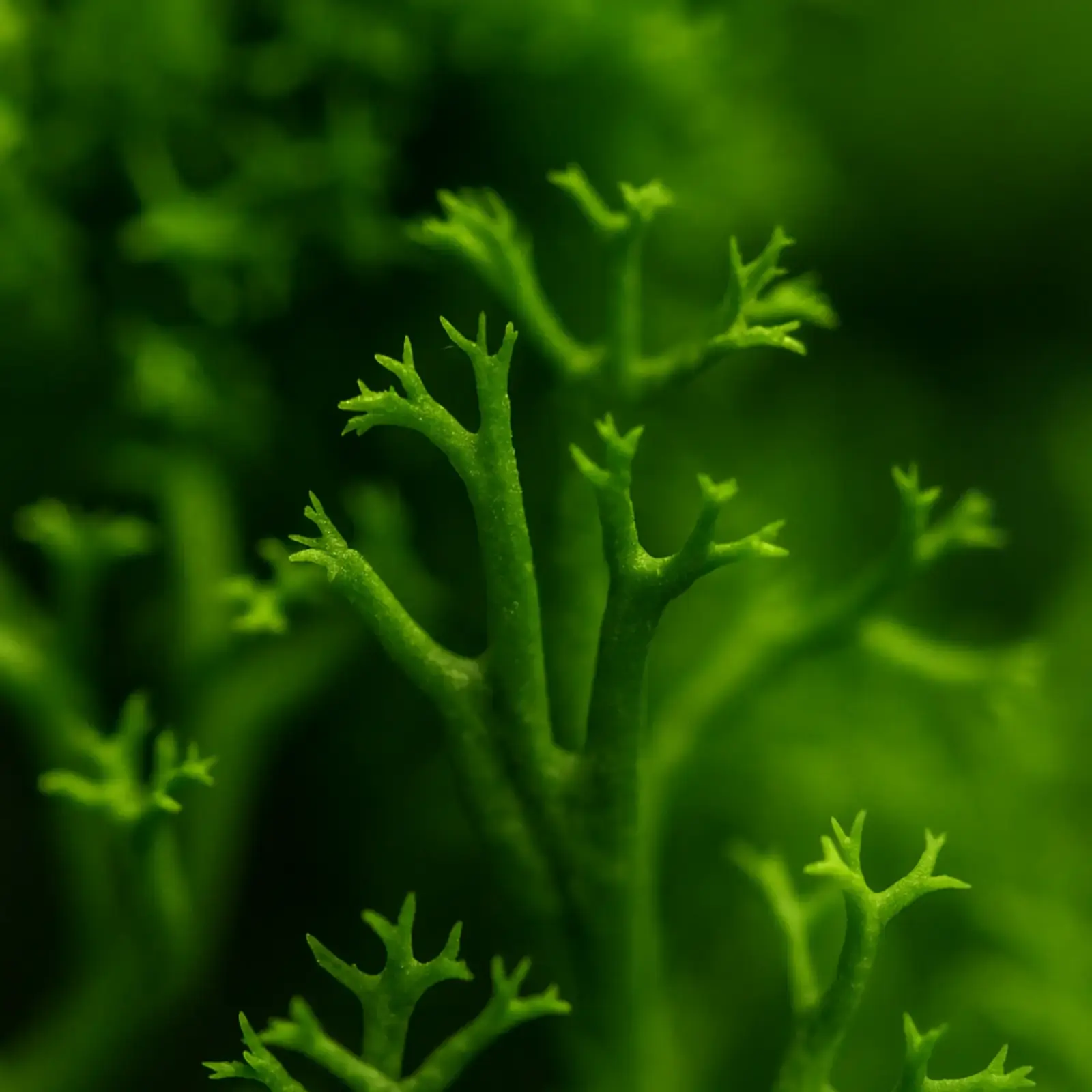
Cork properties, explained through everyday objects.
Cork's cellular structure helps explain its low weight, resilience and thermal insulation. Its cell-wall chemistry contributes to moisture resistance. Those properties are useful in everyday objects, but a finished product's thickness, backing, core and finish determine how it performs.
On this page
Why does cork feel different?
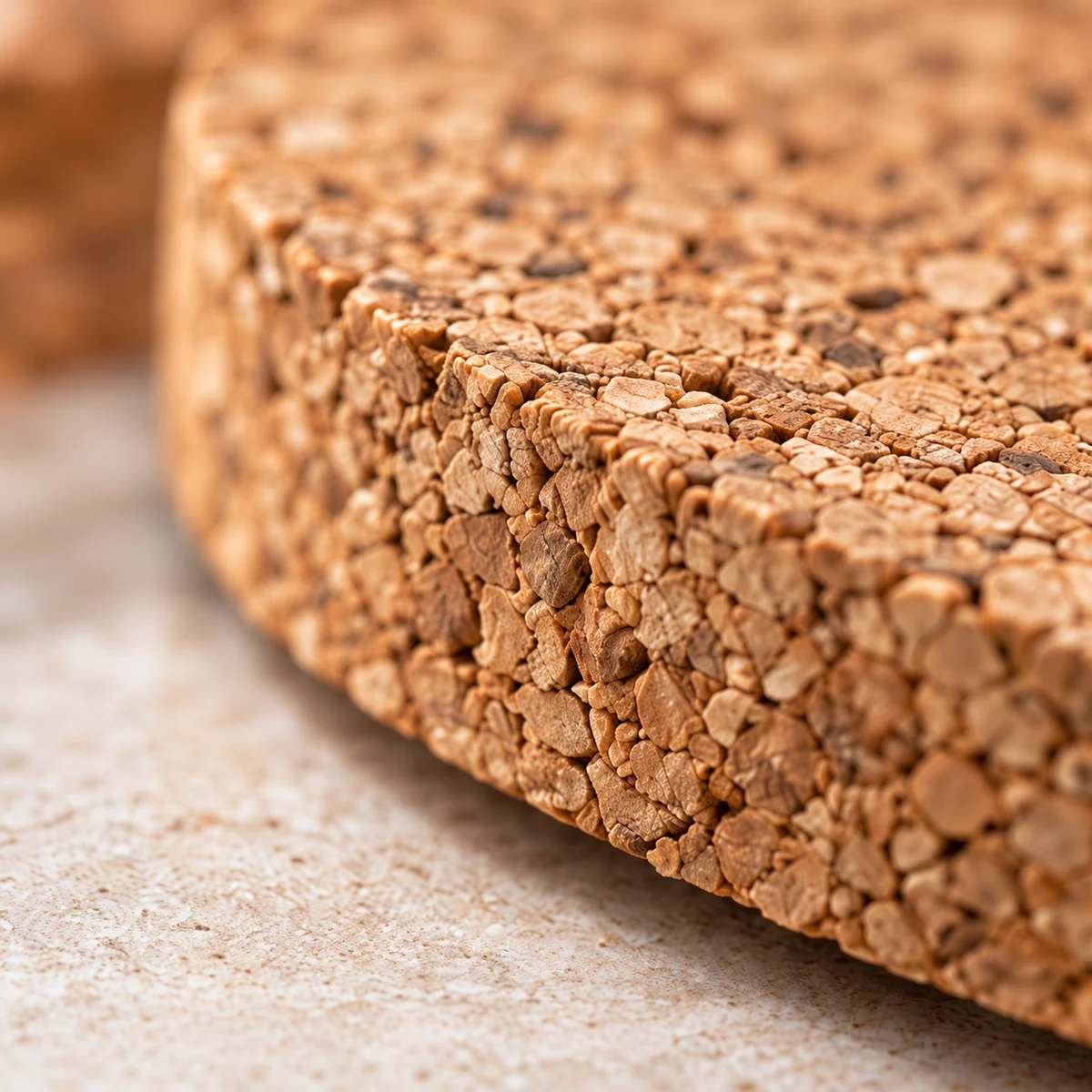
Look closely at a cork coaster or diary cover and you see a grain unlike paper, metal or polished plastic. Touch it and the difference becomes practical: the surface feels warm and has a little give. The reason starts below the visible pattern.
Cork contains tiny cells filled with gases. Their walls include suberin and lignin, components that help explain the material's behaviour. Amorim describes this cellular structure. Its effects are useful, but they do not give every cork object the same performance.
A thin cover, a thick coaster and a foam-backed mat can all use cork while feeling very different. To compare them, look at the material property and the construction together.
Which cork properties are useful in everyday objects?
| Property | Why it is useful | What to check in the piece |
|---|---|---|
| Low weight | The cellular structure contributes to a light material | The weight of its core, fittings and other components |
| Thermal insulation | Slow heat transfer helps explain the warm feel | Thickness and any specific temperature rating |
| Moisture resistance | Cork resists the movement of liquid through the material | Edges, backing, adhesive and core |
| Compressibility and resilience | The cells can deform and recover | Density, thickness and the product's intended use |
| Vibration and sound insulation | Useful in engineered assemblies | Evidence for the complete assembly, not just its cork content |
| Natural texture | Distinctive grain and a tactile surface | The selected sample, finish and expected variation |
Amorim's characteristics guide explains the underlying material properties. Use the table to choose the questions that matter for your object: the core of a tray, the backing of a mat or the feel of a diary cover.
Why is cork warm to touch and useful under a cup?
Cork conducts heat slowly compared with many dense materials. That helps explain why its surface feels warm in the hand and why it is interesting as a layer between a cup and a table.
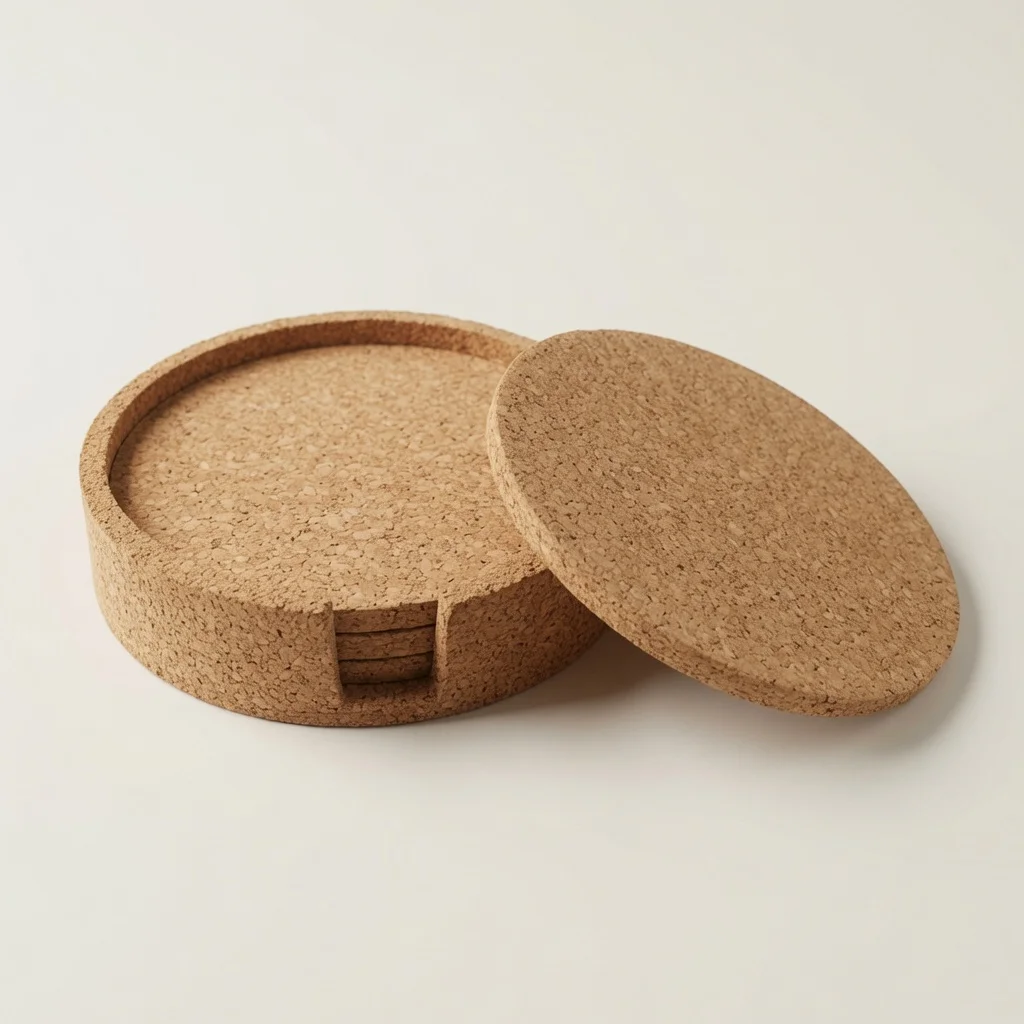
For a coaster, consider the thickness, diameter and surface it will sit on. A coaster that works well under a mug is not automatically suitable for a hot pan. Cookware temperatures and repeated exposure require the specification for that particular piece.
The coaster family includes different formats and textures. Choosing between them can be as much about a cup's base, the table setting and the desired look as about the material itself.
Is cork waterproof or water-resistant?
Cork's cell-wall chemistry and structure help it resist moisture. APCOR describes the outer bark as an insulating, elastic tissue. A finished gift, however, may also contain components that should not be soaked.
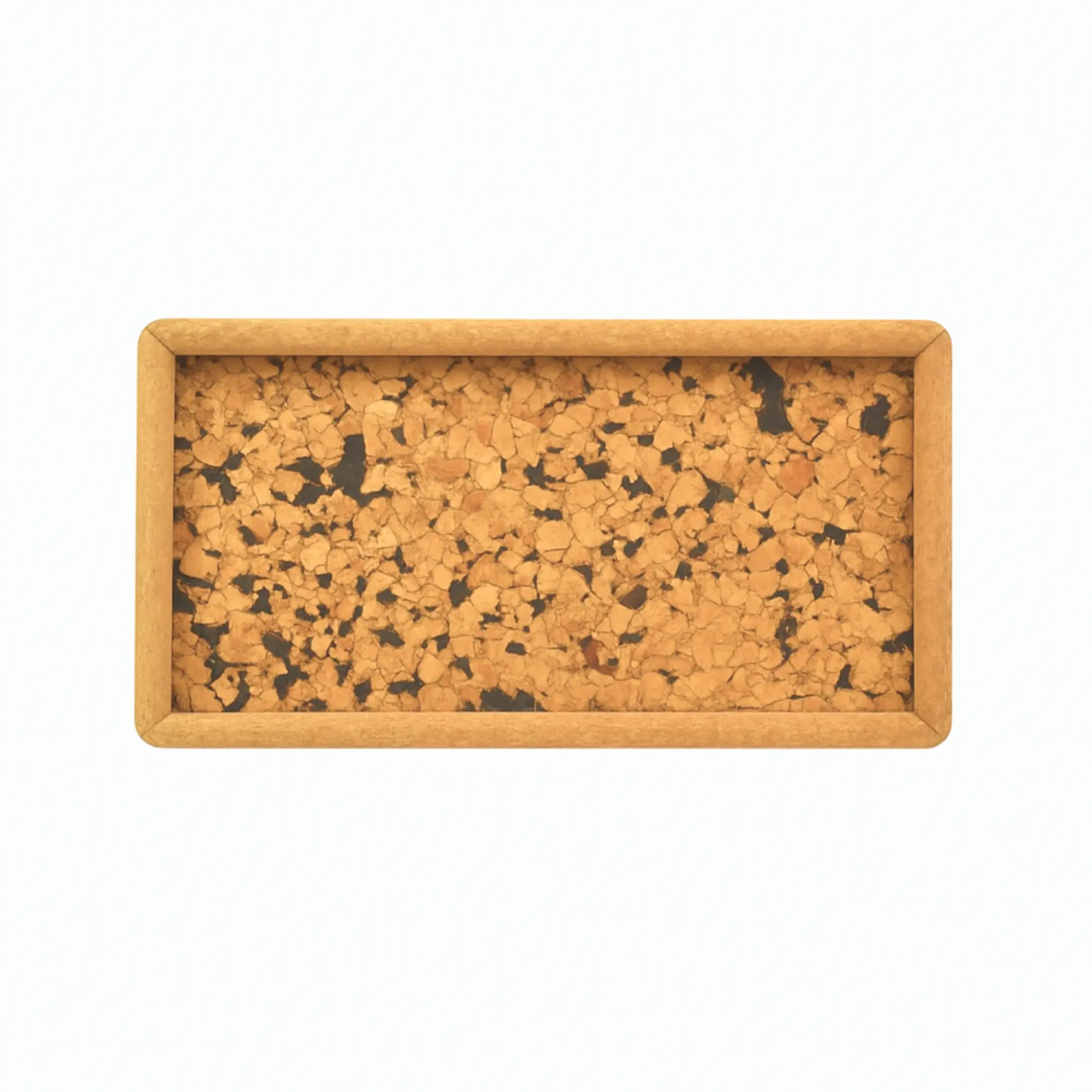
On a cork-faced MDF tray, the coating, exposed edges and core all matter. On a diary, there are paper pages and a binding. On a mat, the backing and the bond between layers matter. A material's resistance to moisture does not settle the cleaning instructions for the whole product.
For everyday care, wipe spills promptly and follow the instructions for the complete piece. Avoid interpreting “water-resistant” as permission to put a cork gift in a dishwasher or leave it submerged.
What changes between a thin mat and a thick mat?
Thickness and backing change the experience underfoot. bioQ's two mat options measure 180 × 60 cm: the thin mat is 1 mm, while the thicker mat is 5 mm and has foam underneath. The cork surface is one part of the choice; the full mat is what you use.
When planning a wellness gift, compare the complete format, how it rolls and how it will be presented. If a specific grip level, material certification or performance requirement is important, ask for evidence for the actual product.
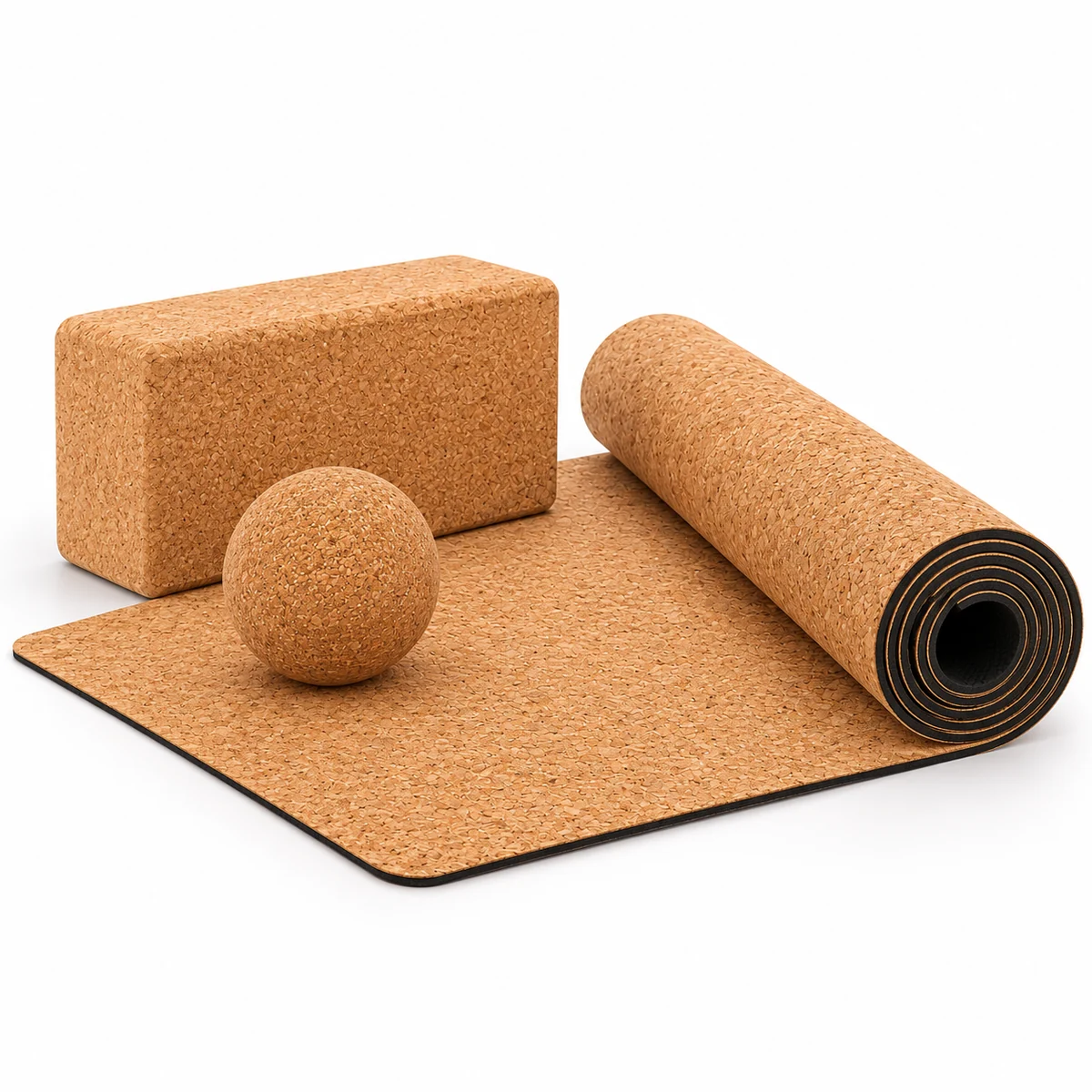
Compare the two bioQ mat formats. For a small companion piece, the 65 mm cork therapy ball offers a tactile roll for a desk break.
How should you care for cork products?
Begin with the construction. A cork-and-paper diary, a cork-faced tray and a foam-backed mat need different handling. The shared habit is gentle cleaning followed by drying, rather than soaking or aggressive scrubbing.
For mats, roll rather than fold, let the surface dry before storage and keep it away from prolonged direct sun. Multicork's yoga-product guidance also illustrates why care is supplied for the particular construction.
For cork with preserved plants, the botanical part changes the routine again: no watering or misting. Keep the complete gift's components in mind when cleaning it.
Questions about cork's performance
Does cork's insulation make every cork coaster heatproof?
No. Insulation describes how heat moves through a material. Safe use under a particular hot object depends on the complete coaster, its thickness and any specified temperature limit.
Why does cork have a little give?
Cork's cellular structure allows it to compress and recover. The effect you feel depends on the thickness, density and construction of the piece, so a thin cover and a cork block will not feel the same.
Which mat is thicker in bioQ's cork range?
The 5 mm mat is the thicker format and has foam underneath. Both the 1 mm and 5 mm options measure 180 × 60 cm. Choose by the complete construction and your intended use.
Sources and further reading
- Amorim: key characteristics of cork
- Amorim: cork's cellular structure
- APCOR: cork oak tissue and its properties
- Multicork Solutions: yoga products and care
Industry references explain the material. bioQ examples describe the particular product or project shown.