 by bioQ
Explore Jalkumbhi
by bioQ
Explore Jalkumbhi
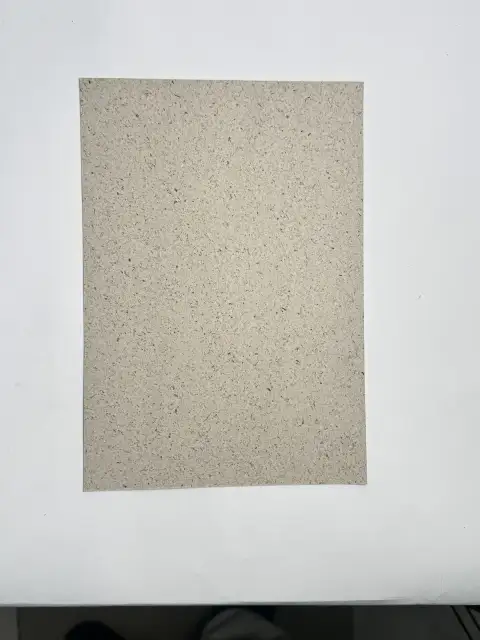
Water hyacinth paper
Made fromwhat the watercannot hold.
Water hyacinth becomes handmade paper with a visible life of its own.
- 70%
- water-hyacinth fibre
- 30%
- recycled-paper fibre
- 200 gsm
- current paper focus
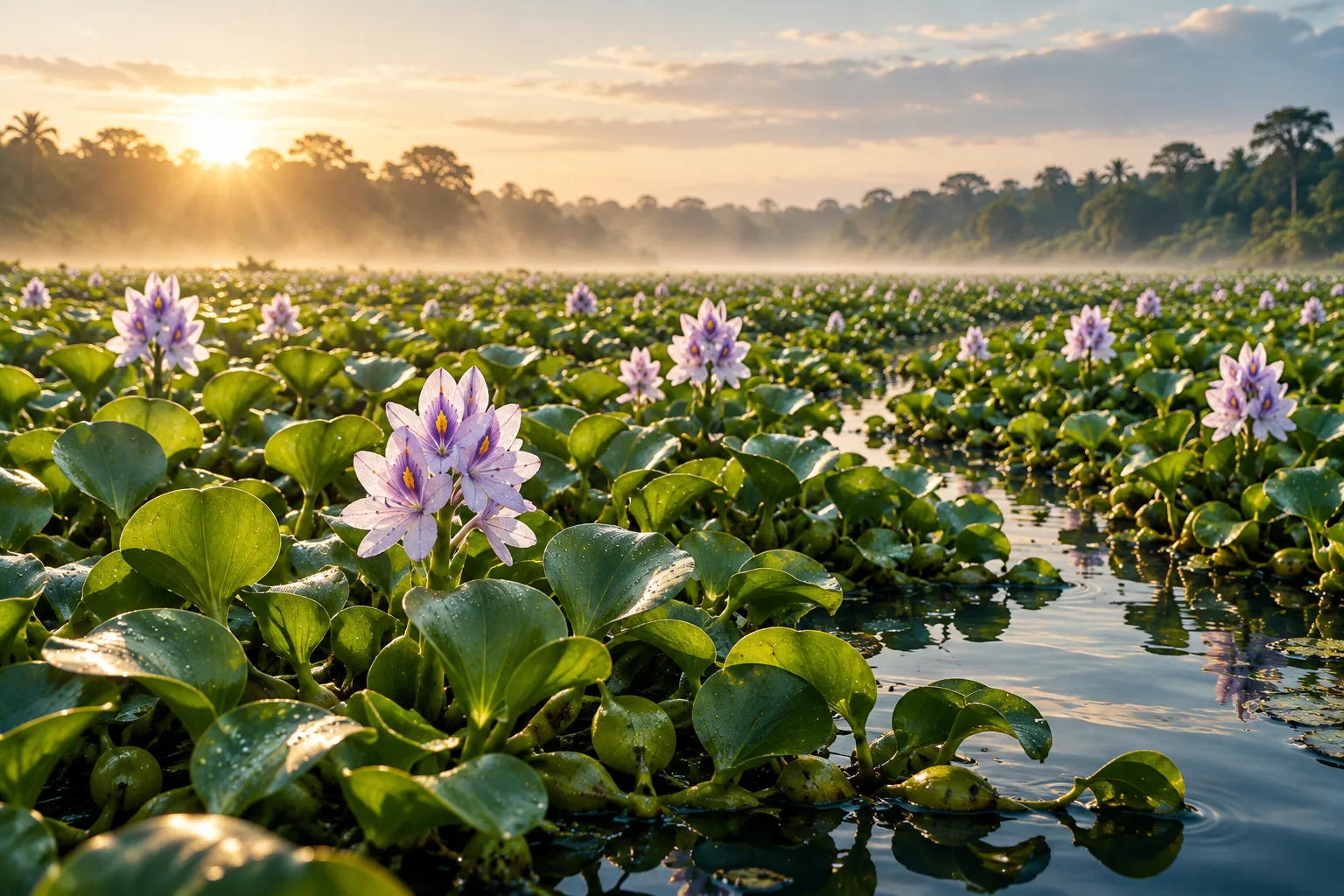
01 · First, understand the plant
When the surface disappears, the water below changes.
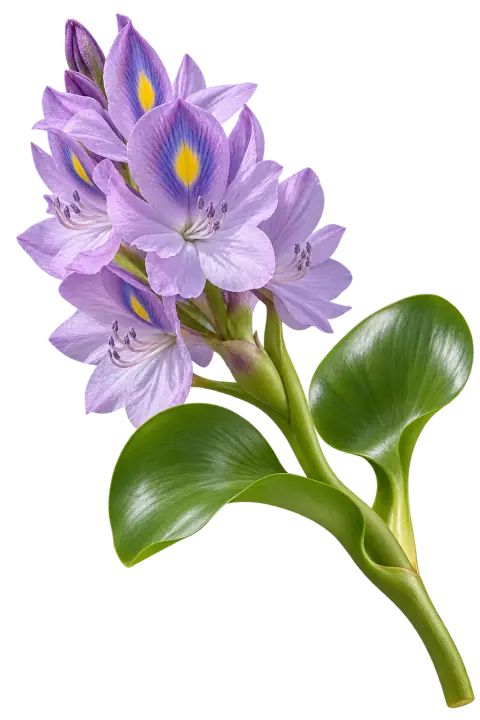
Water hyacinth is an invasive floating plant. Left unchecked, it can form dense mats across a waterbody.
Plant background: Florida Department of Agriculture and U.S. Fish & Wildlife Service.
02 · Pond to paper
Harvested. Dried. Pulped. Blended. Formed by hand.
A practical sequence gives a fast-spreading plant another use. The finished paper is checked before it is printed.
- 01
In the water
The floating plant grows across the water surface.
 02
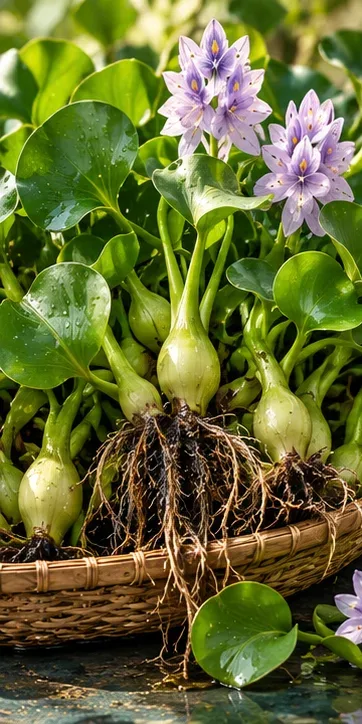
02Harvested
Plants are removed, sorted and cleaned.
 03
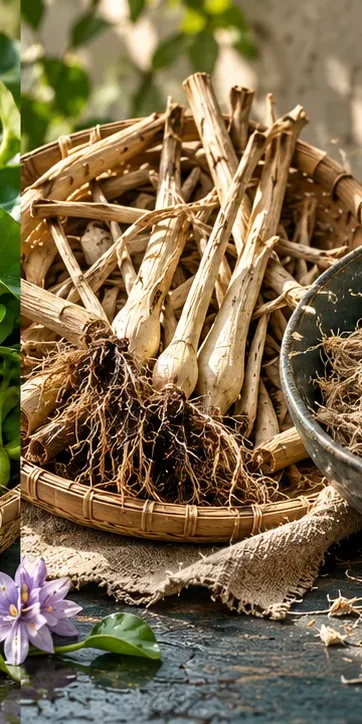
03Dried
Usable stems and roots are sun-dried.
 04
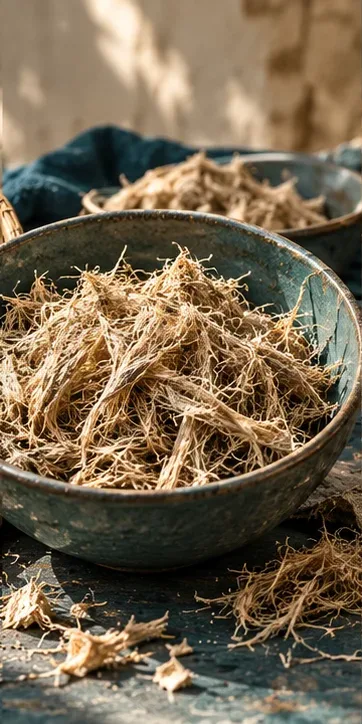
04Pulped
The dried material is prepared into fibre.
 05
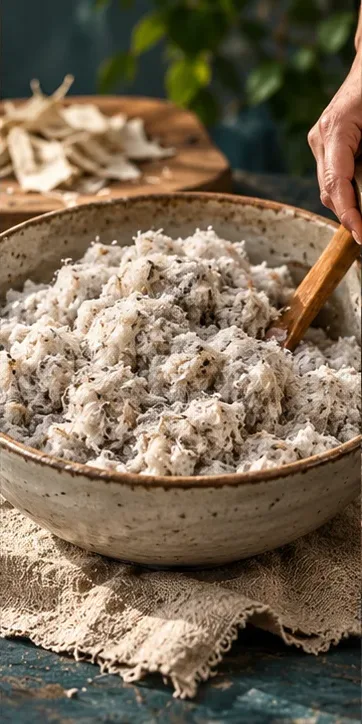
05Blended
Fibre is blended with recycled-paper pulp.
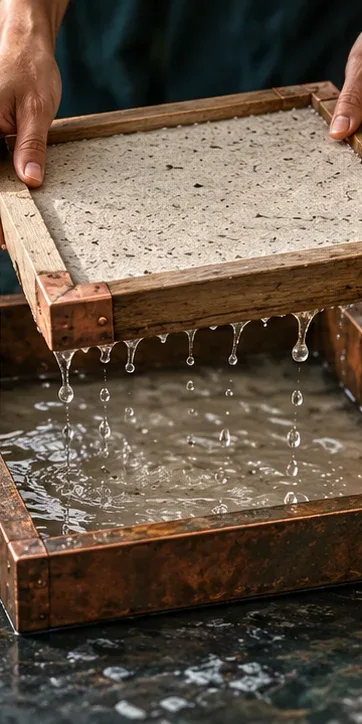 06
06Formed
Each wet sheet is lifted and formed by hand.
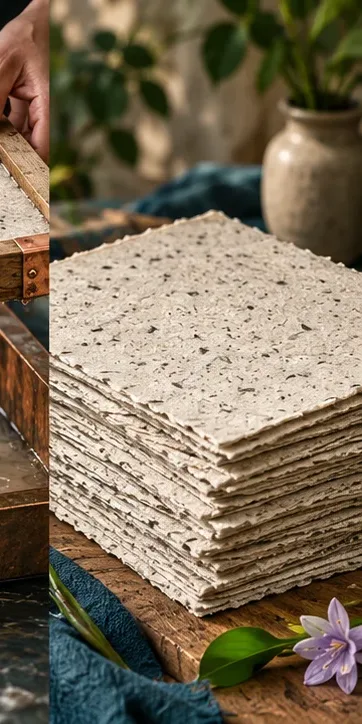 07
07Pressed
The sheets are pressed and dried.
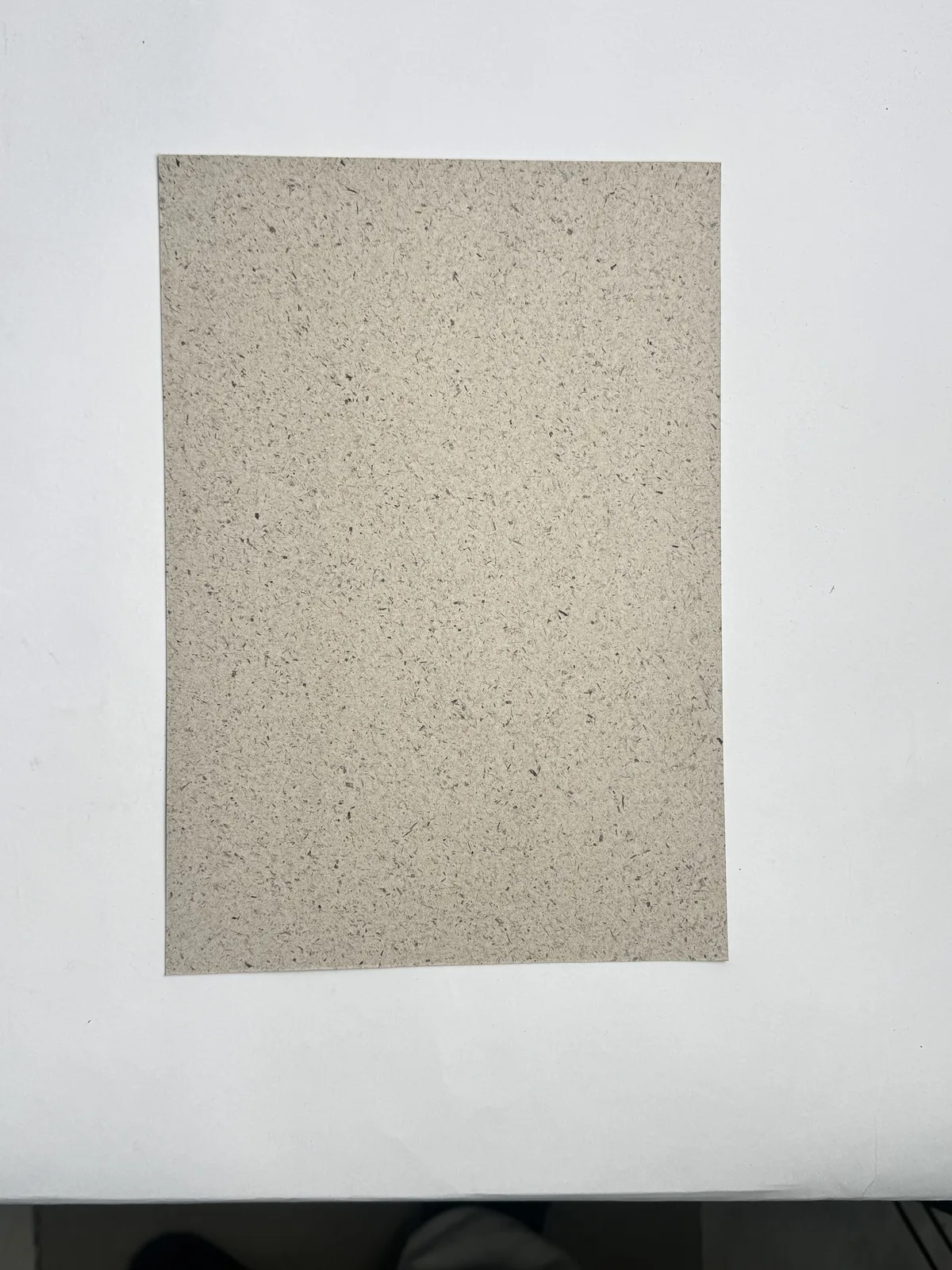 08
08Finished
Every sheet is checked before printing.
Process illustrations follow the current papermaking sequence.
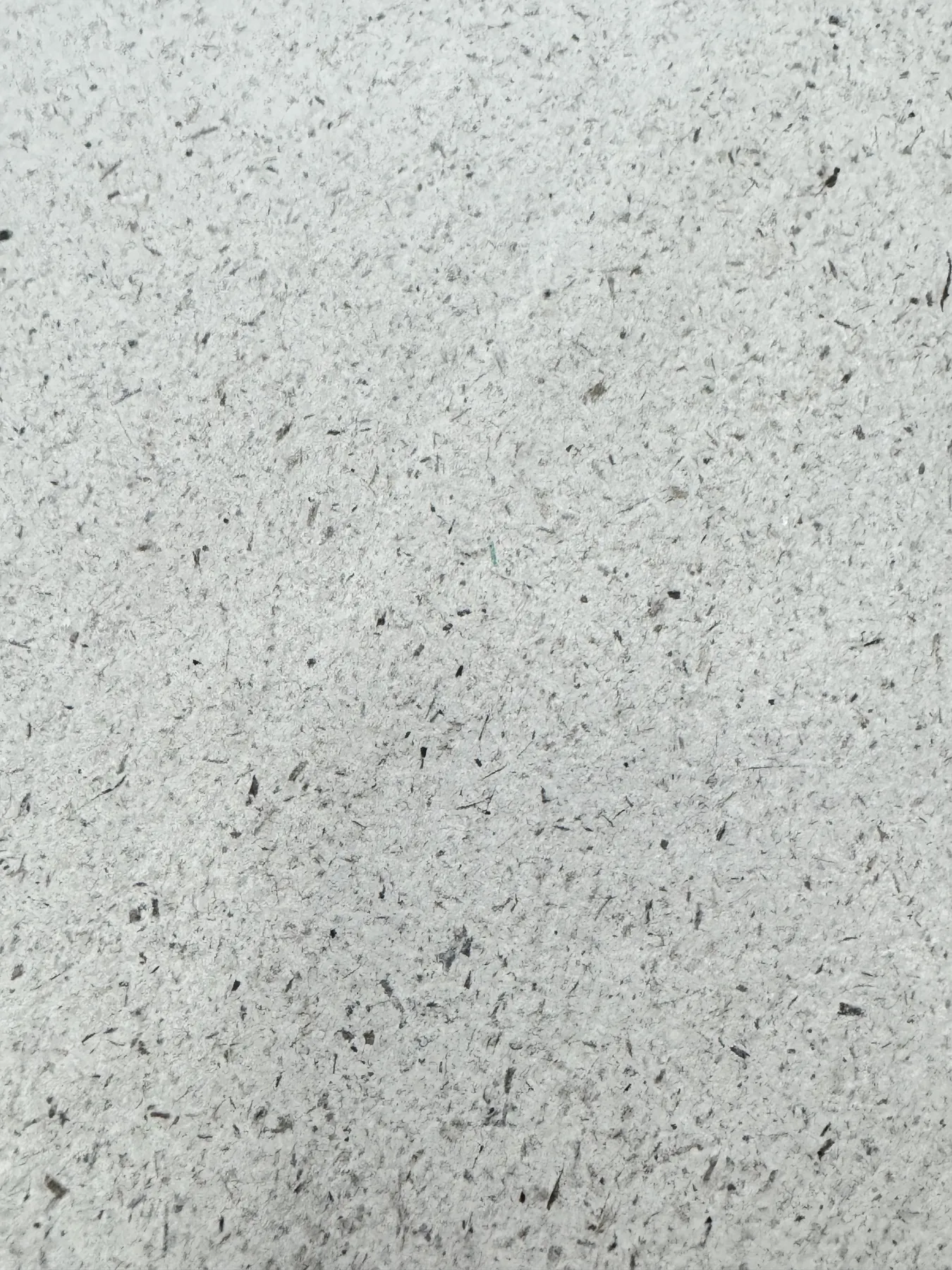
03 · The paper in detail
The paper
in detail.
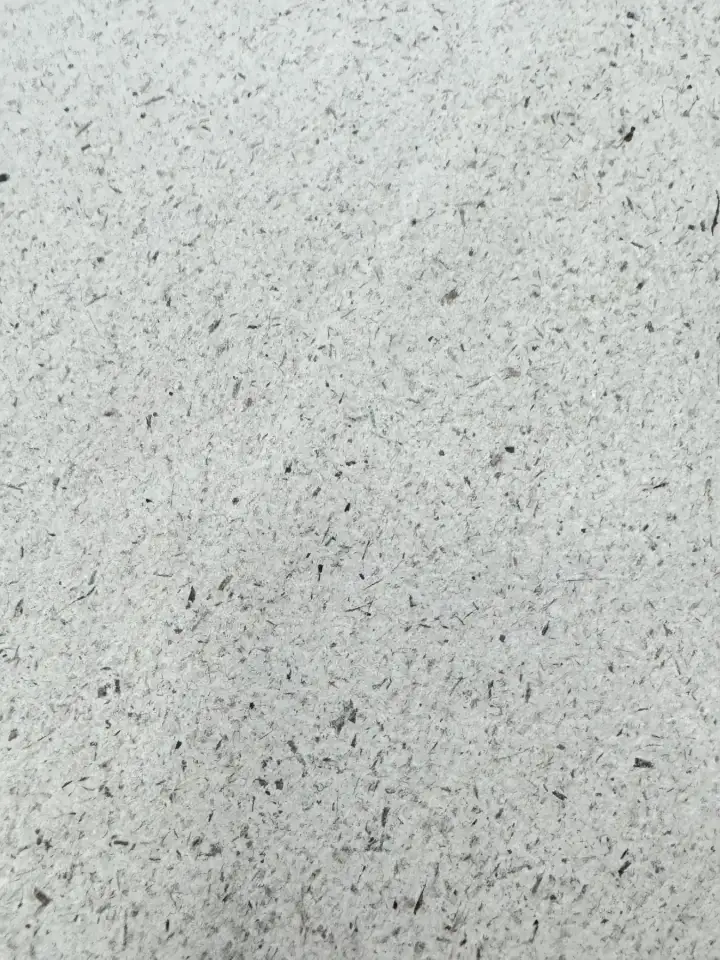
A naturally textured, handmade paper with visible fibre, quiet colour and a character that comes from the plant itself.
- 70%
- water-hyacinth fibre
- 30%
- recycled-paper fibre
- 200 gsm
- current paper focus
Visible fibres create a unique, natural surface.
04 · Print and hand finish
Prints that belong here.
Water-based colour settles into the fibres. Selected white accents are then applied by hand, catching the surface without hiding its natural texture.
05 · A field guide you can carry
One plant, studied vertically.
Original water-hyacinth studies become notebook backs, leaflet panels, inserts, certificates and framed paper art.
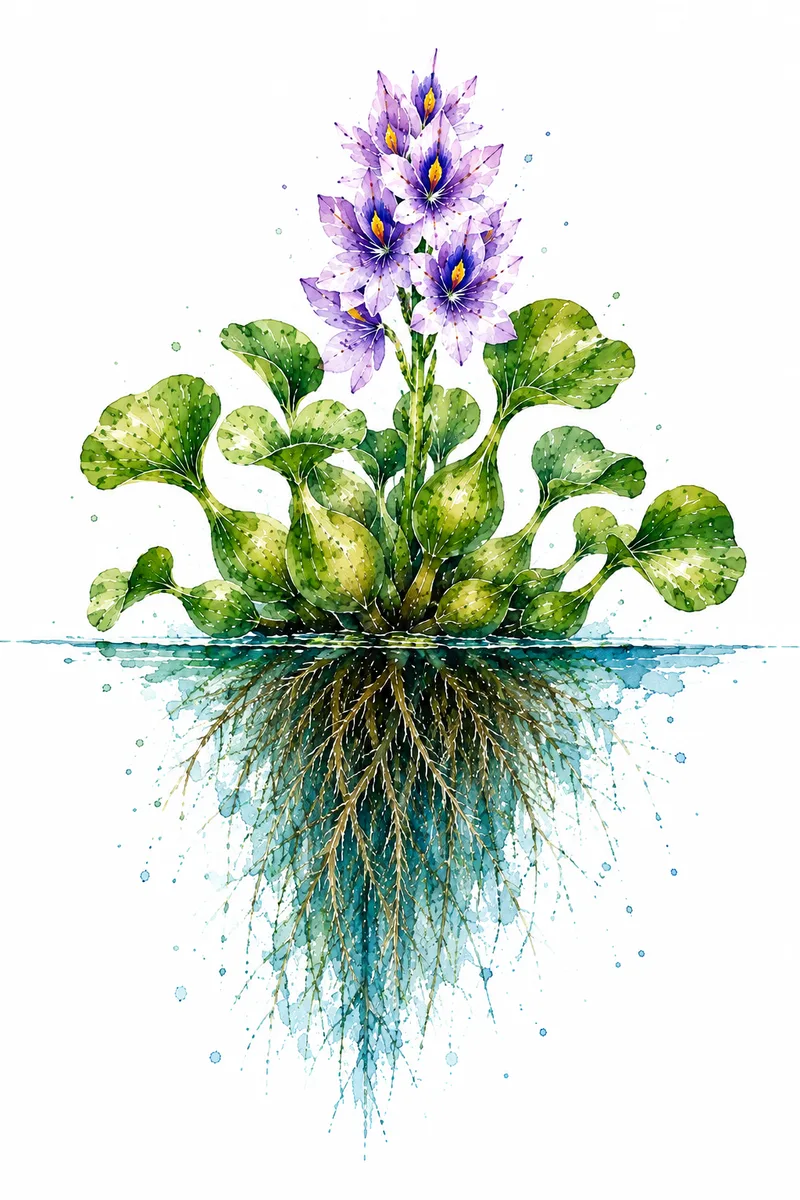
Whole plant
Flower, floating leaves and the root mass below.
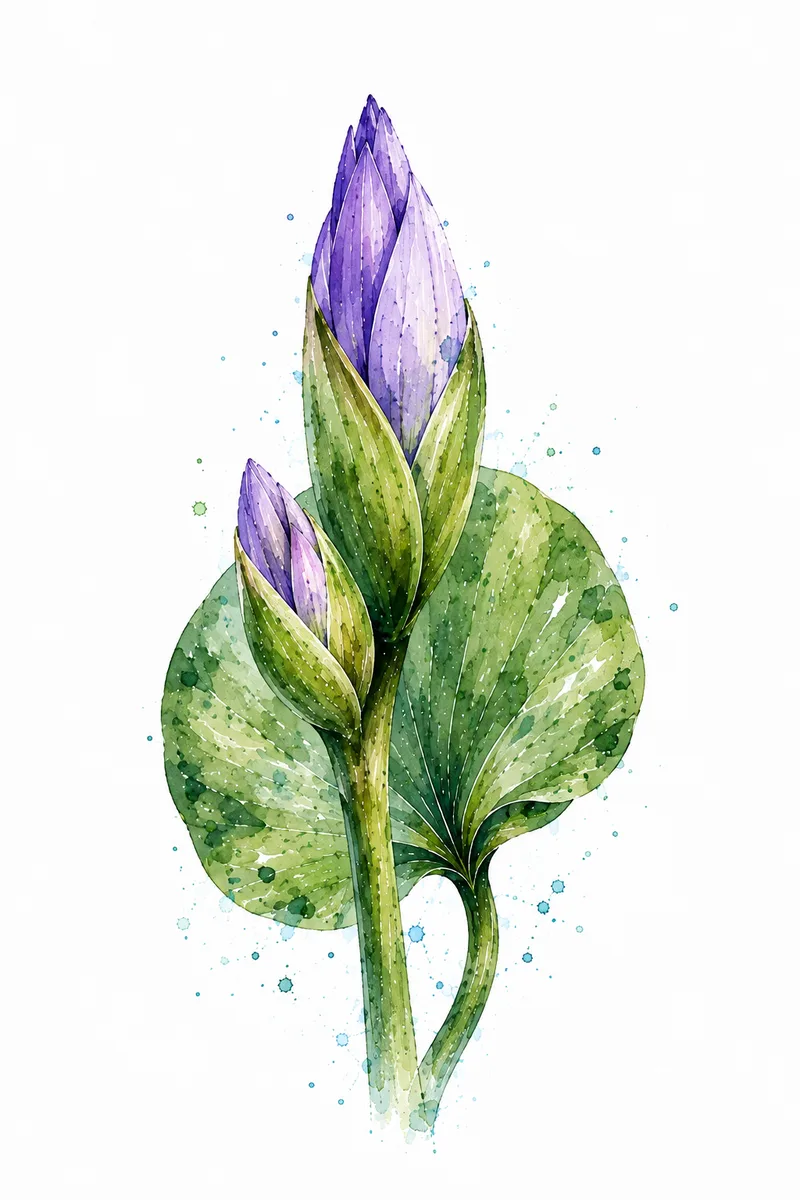
Flower study
The violet bloom becomes a vertical print story.
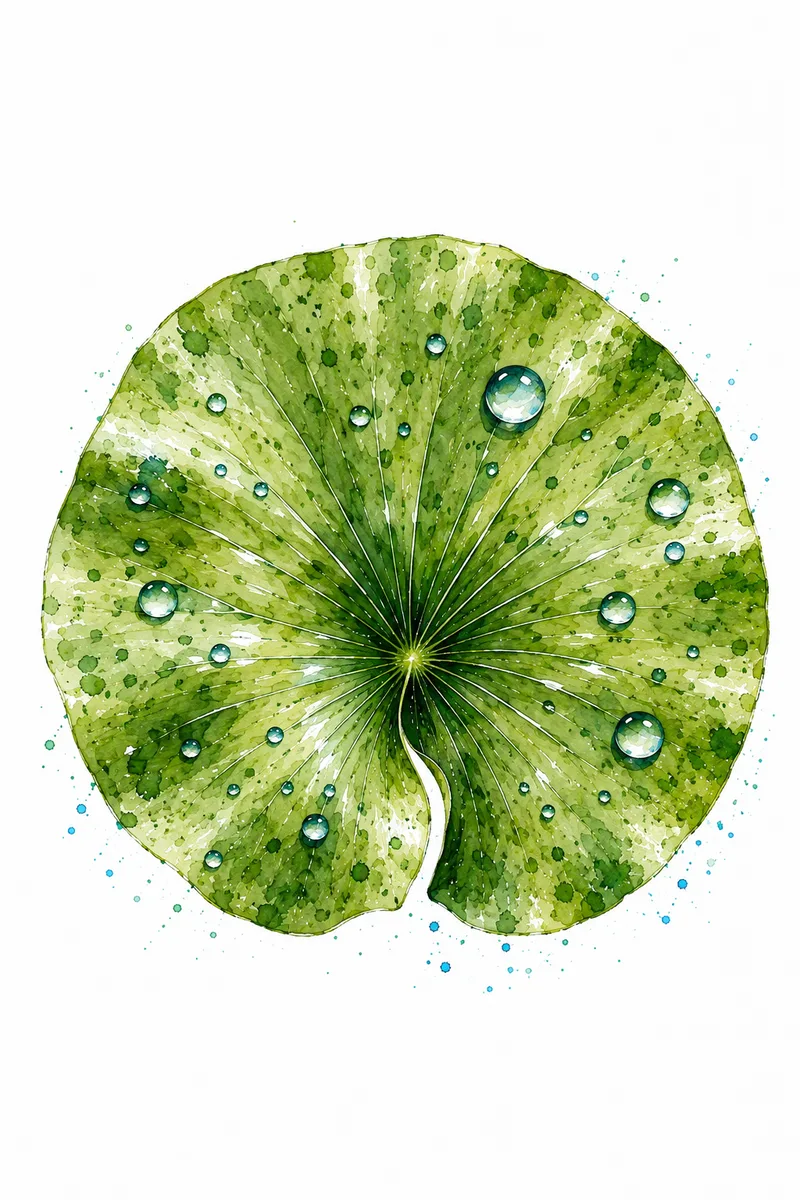
Leaf from above
A study of the waxy surface and radiating veins.
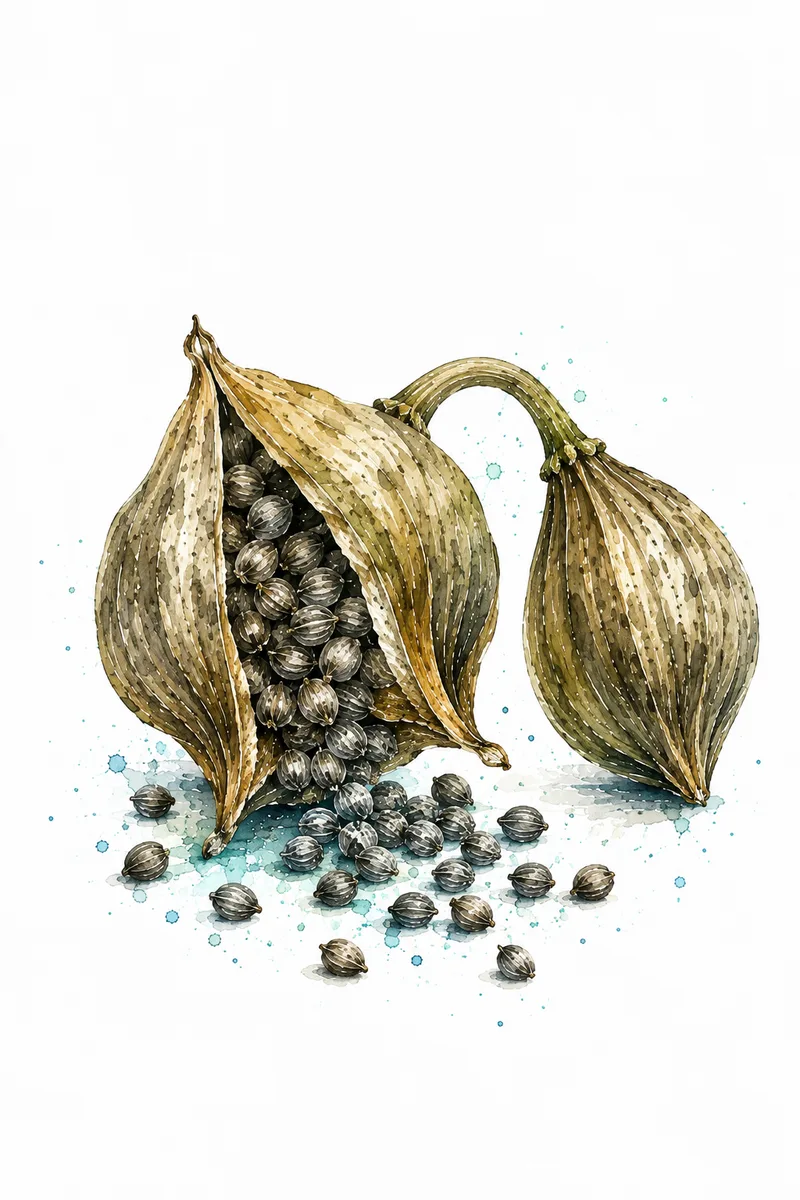
Seed capsule
A later stage in the plant's rapid life cycle.
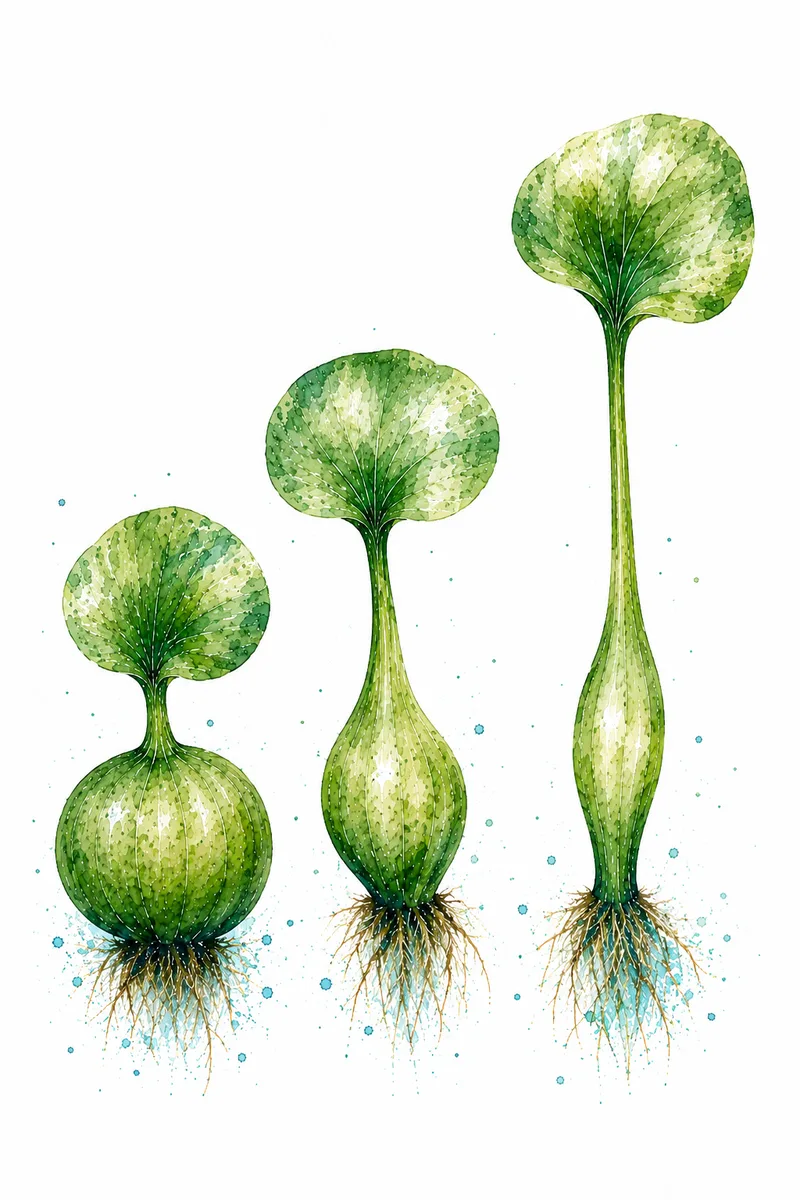
Crowding
The mat-forming habit that lets the plant spread.
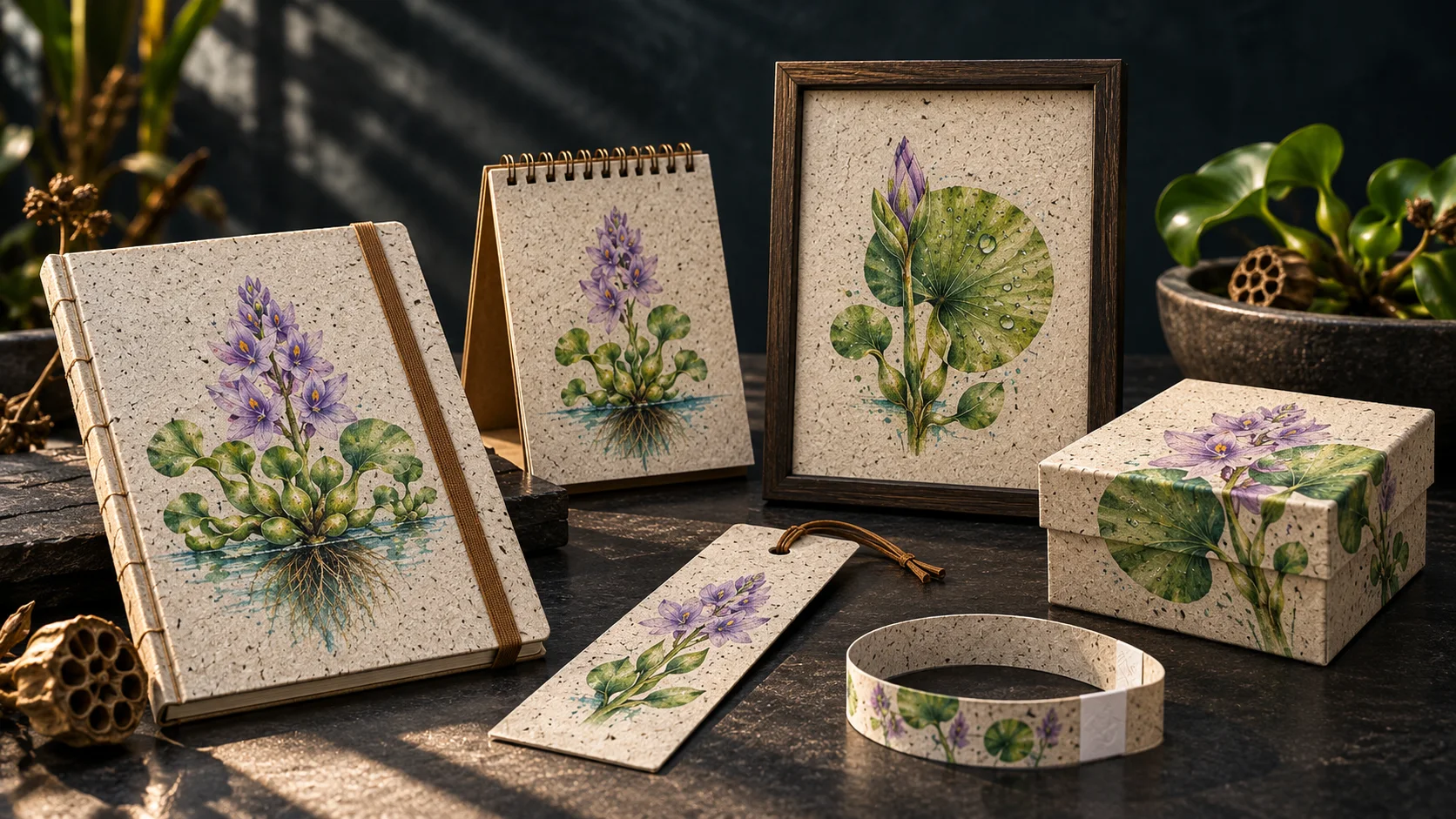 Concept range · products not yet photographed
06 · Objects with a bigger story
A material people will ask about.
Thoughtful, design-led pieces for corporate gifting, brand collections and special occasions.
- Notebook
- Calendar
- Framed print or certificate
- Bookmark
- Small gift box
- Event wristband
07 · Harvest to paper
A lighter load on our waters.
≈40 kgfreshly harvested water hyacinth
/1 kgfinished paper
Direct answers
The material, without the mystery.
Clear answers for buyers, brand teams and resellers.
What is Jalkumbhi paper made from?
The sheet uses a 70:30 blend of water-hyacinth fibre and recycled-paper fibre. The current product direction centres on 200 gsm paper.
Why use water hyacinth?
Water hyacinth is an invasive floating plant. Dense mats can block light, reduce oxygen exchange and obstruct the use of waterways. Jalkumbhi gives harvested plant material another use.
How is the paper printed?
Artwork is printed with water-based ink on the uncoated sheet. We proof colour on the real paper so its fibres remain part of the image.
What are the white details?
Selected white accents are applied by hand after printing. They catch the textured surface and make every finished piece slightly different.
What can be made with it?
The current direction includes notebooks, calendars, framed printed-paper pieces, certificates, bookmarks, small gift boxes and single-day event wristbands.
Can bioQ develop a custom format?
Have an idea for Jalkumbhi paper? We can help you bring it to life.
08 · Your idea
Have an idea for Jalkumbhi paper?
We can help you bring it to life.
