

Formats bioQ supplies today
Printed sheets, tags, bookmarks, wristbands, badges, lanyard cards and hang tags.
Plantable paper by bioQ
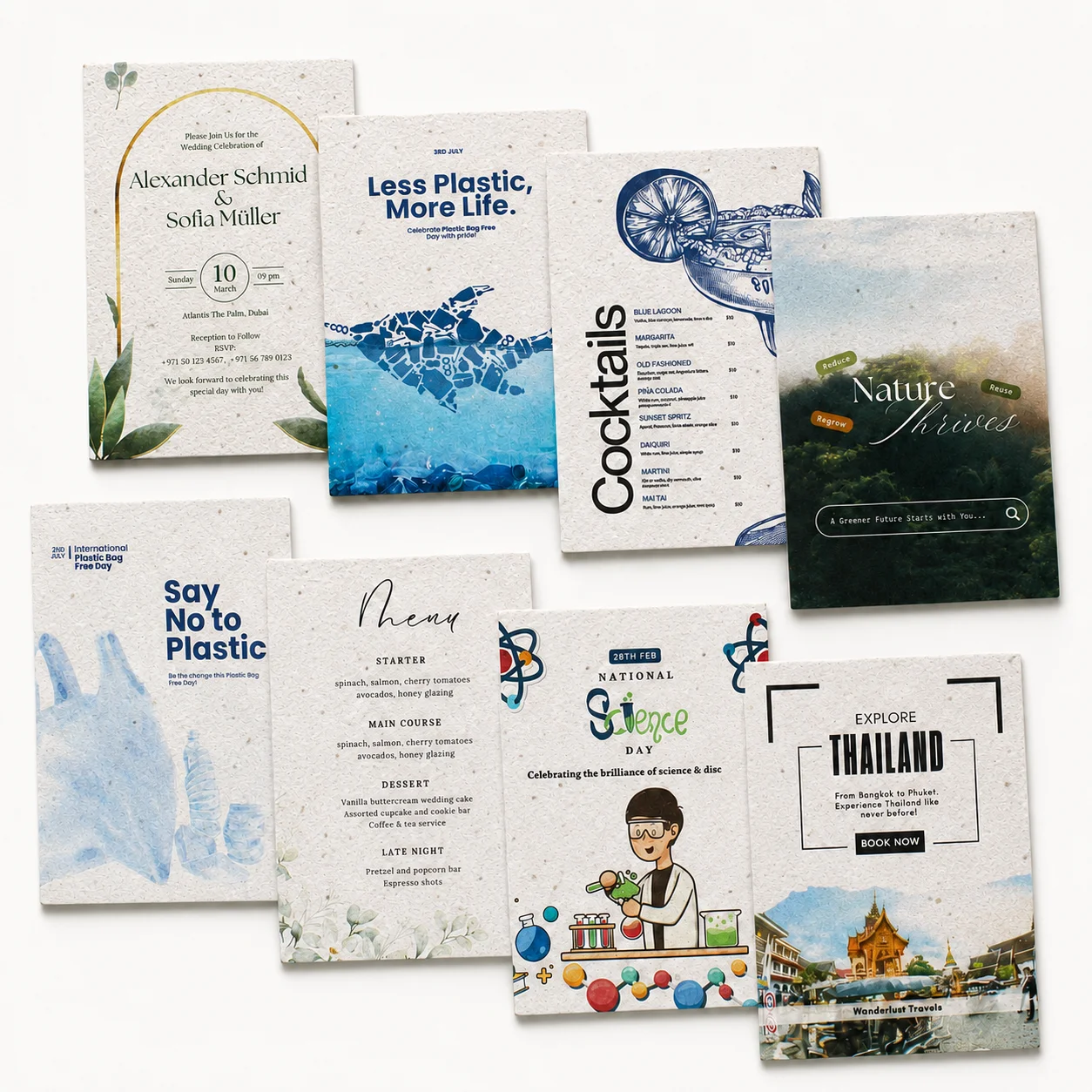
Start with a card, tag or insert. Adapt the paper into a sleeve, wrap or custom shape. Or bring us a new paper-based format to assess.
Choose marigold, tulsi or tomato seed paper. bioQ prints it with water-based ink through a specialised low-pressure process developed for this textured material.
The material
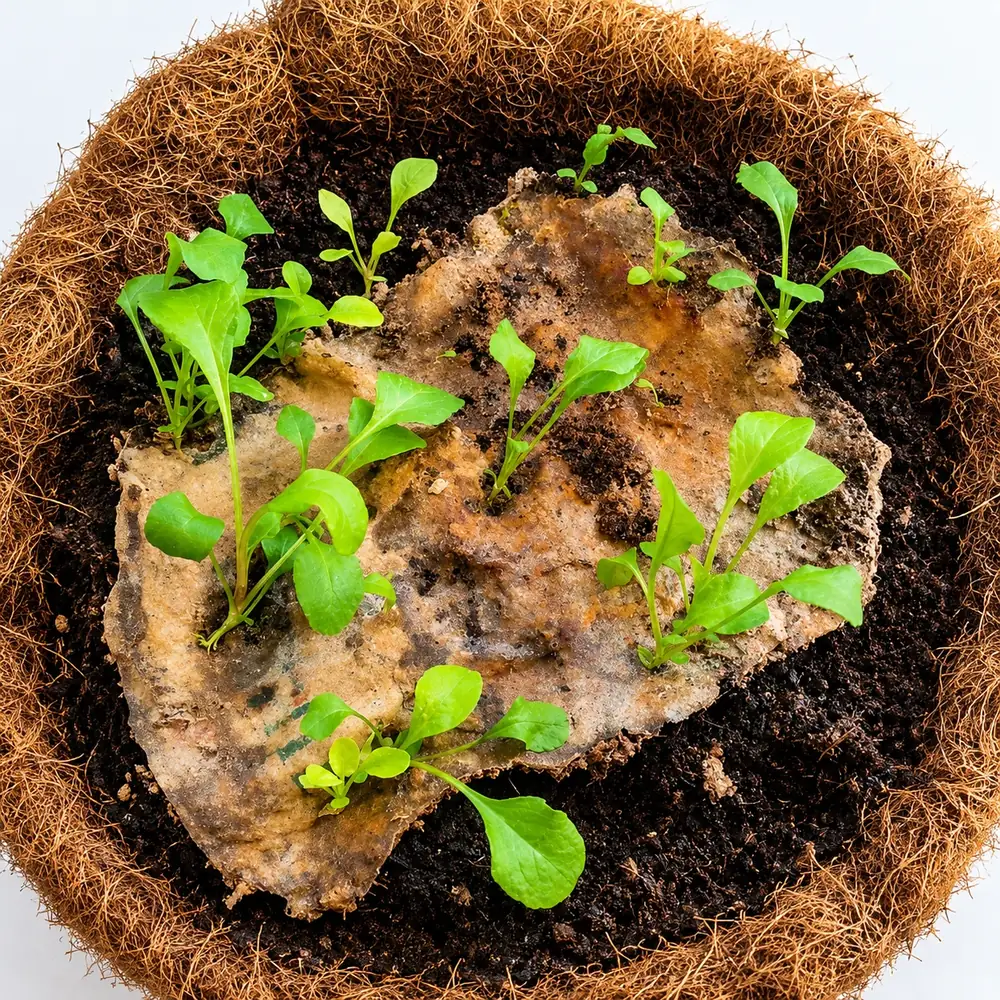
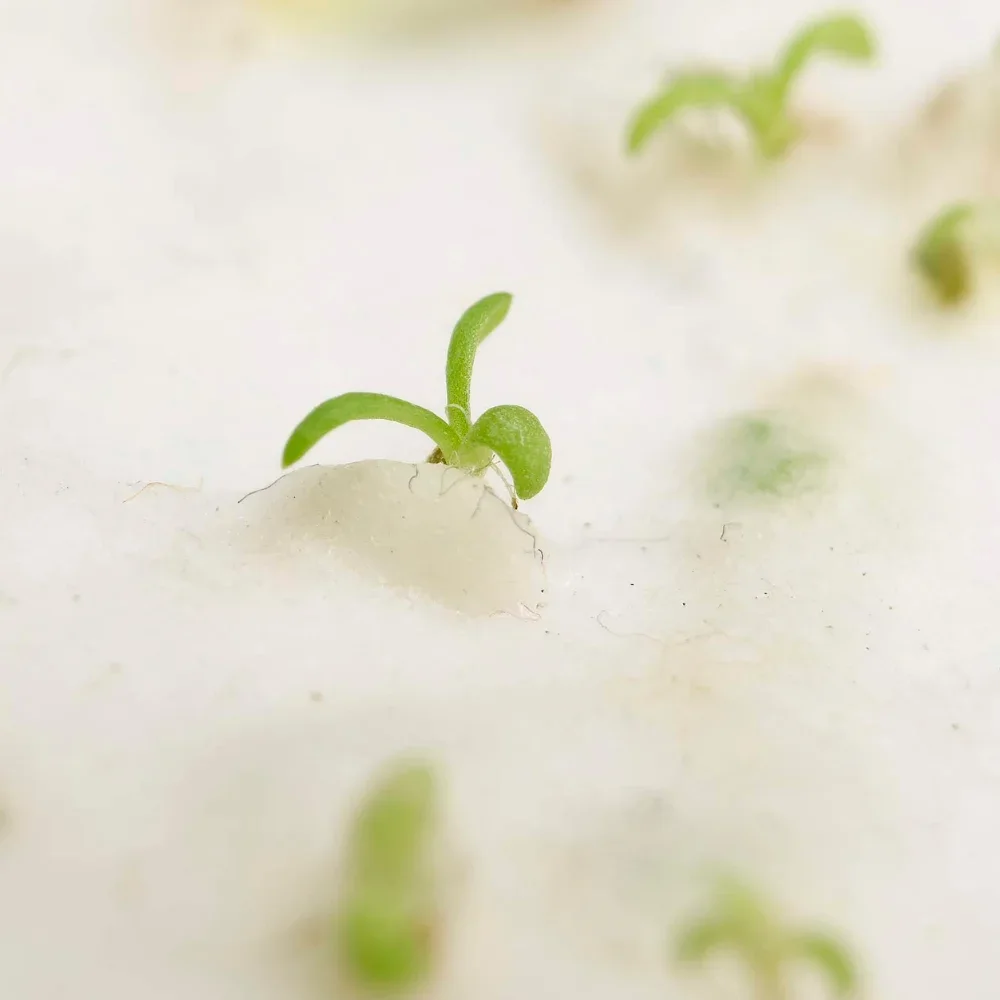
Plantable paper is handmade paper with seeds embedded during papermaking.
bioQ makes it with waste cotton and other waste paper. It works first as a printed object. After use, the seed-bearing paper can be separated, placed in soil and cared for according to the supplied instructions.
Growth is possible under suitable conditions, but it is never guaranteed. Seed condition, storage, soil, water, light, climate and care all affect germination.
Printing is our strength
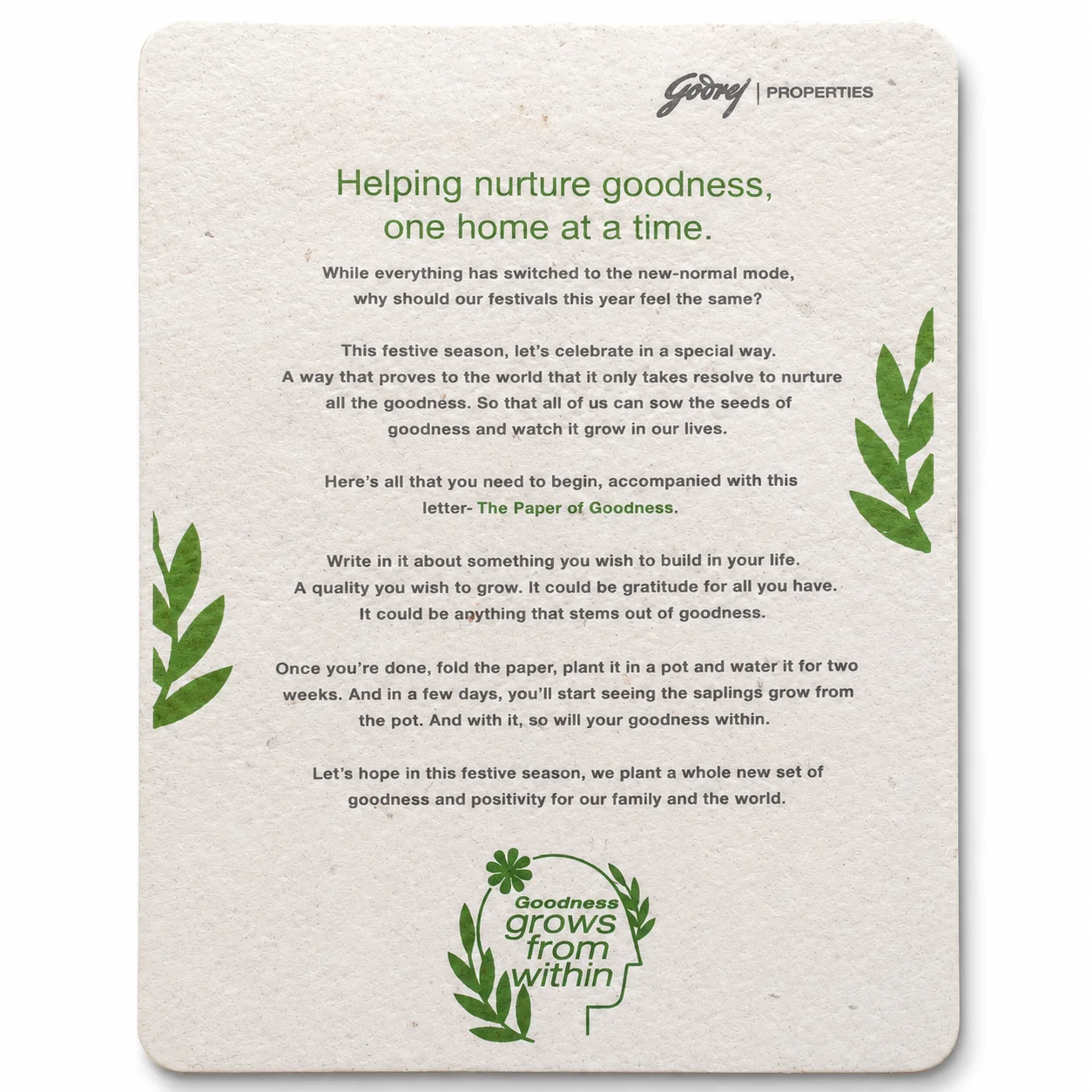
Its surface is uneven and its seeds respond differently to pressure and heat. bioQ uses water-based ink, a specialised low-pressure digital process and slower handling.
Logos, messages, planting instructions and campaign artwork can be planned around the selected format. Fine text, heavy ink coverage and exact colour matching should be checked through an artwork proof.
Interactive planting sequence
Choose each stage to see what happens next.
01 · Print and use
Use it as a card, tag, insert, invitation or campaign piece before the planting story begins.
What can seed paper become?
Existing, adapted and developed formats are different promises. We label them separately so a concept is never mistaken for ready stock.
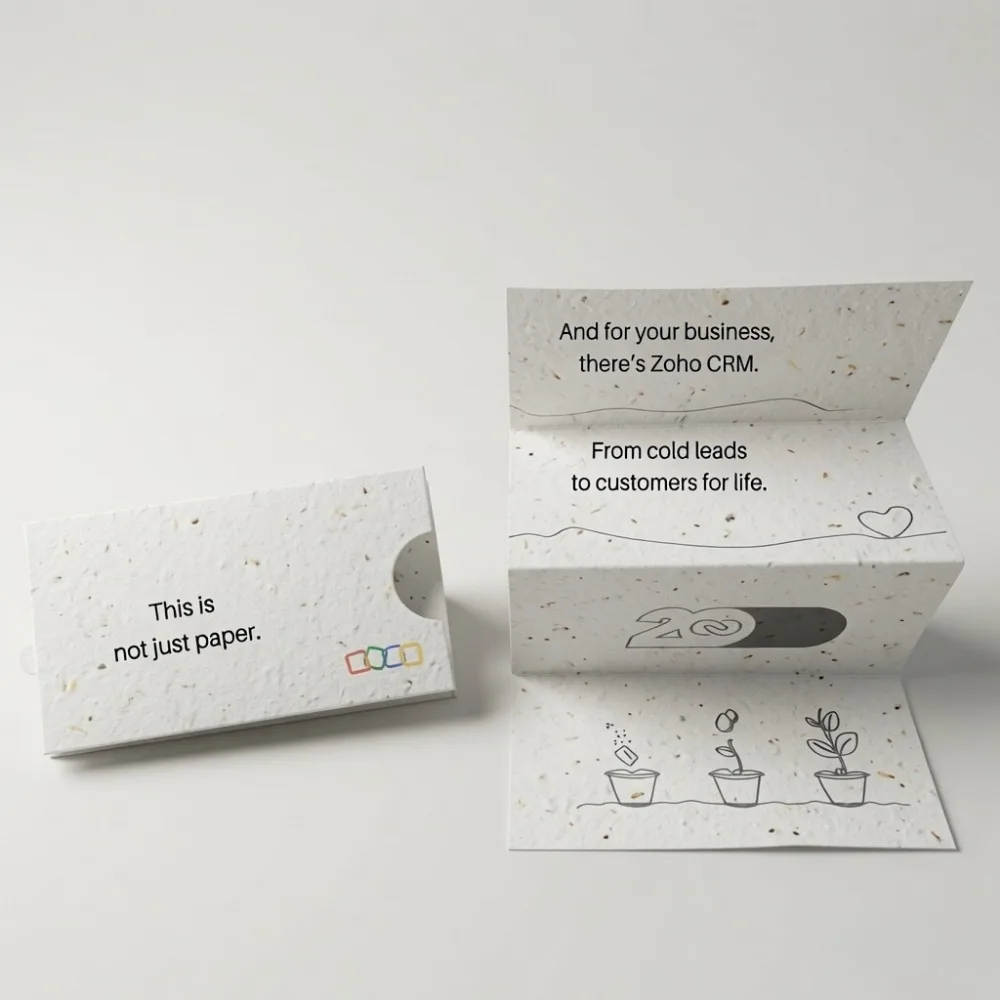
Plan the size, artwork, fold, closure and the part the recipient will plant.
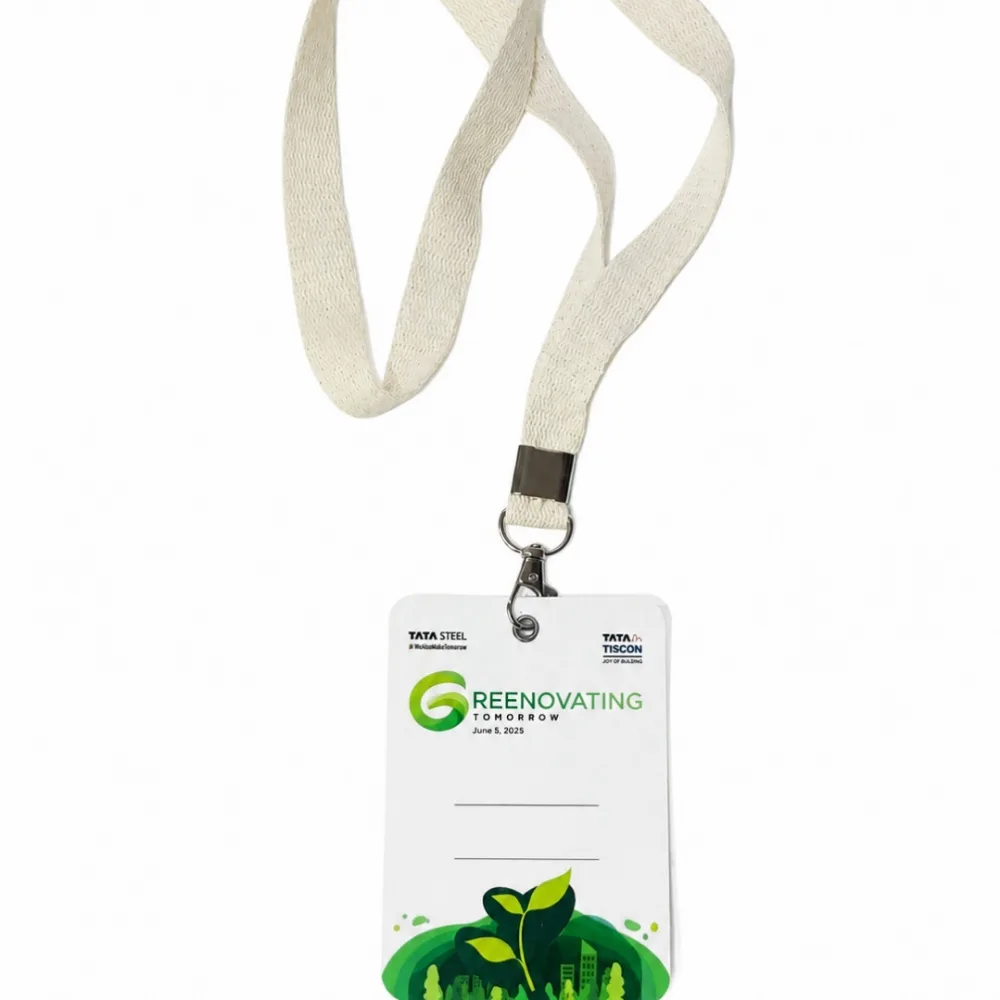
The seed-paper card is planted. The strap, ring or clip stays out of the soil.
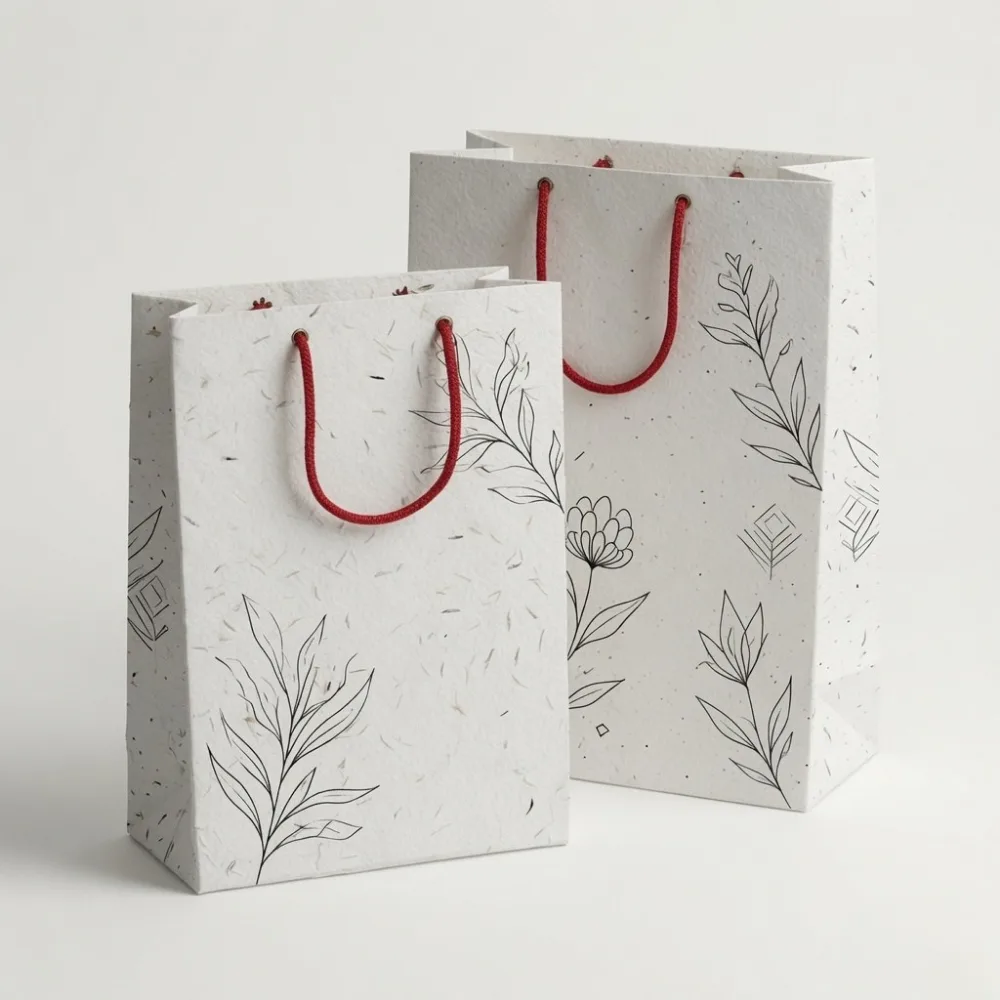
Load, handles, folds, packing and transport need prototype checks.
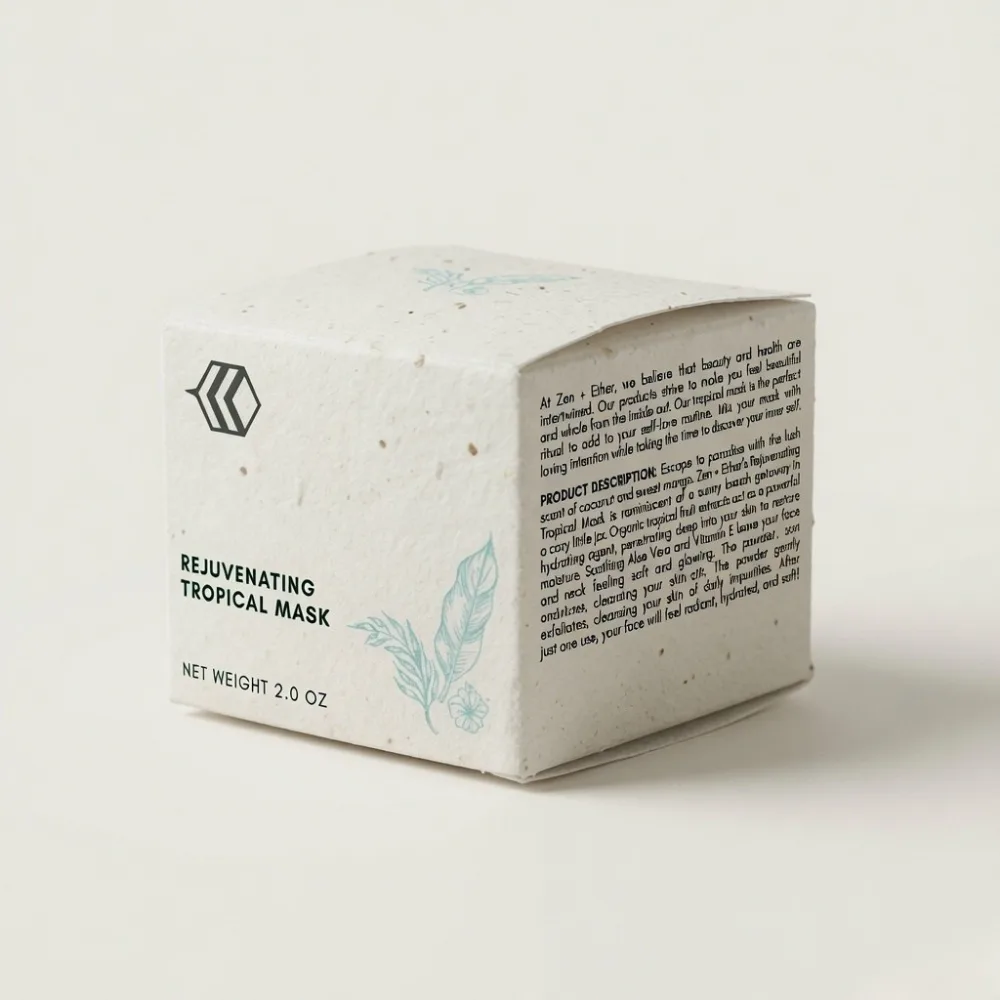
Closures, adhesives, liners and product contact are assessed before production.
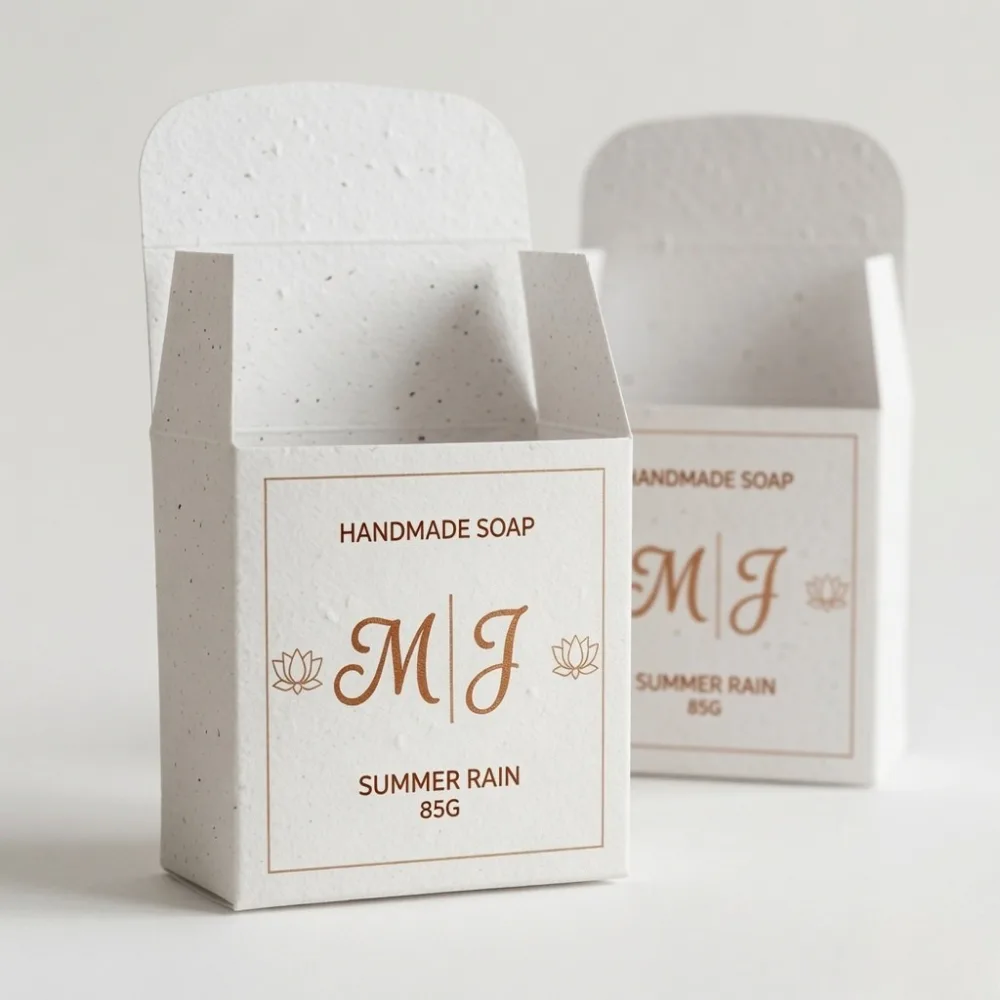
Useful for light presentation where the seed-bearing part can be separated clearly.
Printed sheets, tags, bookmarks, wristbands, badges, lanyard cards and hang tags.
Cards, invitations, certificates, business cards, place cards, envelopes, sleeves, wraps and custom-cut flat shapes.
Lightweight bags, small cartons, pouches, folders, assembled objects and other new paper constructions.
Not seed paper: bioQ also makes Jalkumbhi water hyacinth paper, which gives harvested invasive plant material another use. Both materials are compared on the corporate calendars page.
Material limits matter
Heavy or load-bearing packaging, large boxes, wet products, direct food contact and structural inserts need another material or a separate supporting structure.
Handles, adhesives, eyelets, closures, liners, clips and stands may not be plantable. The final specification and planting instruction must identify exactly what goes into soil.
Three seed choices
The seed should suit the season, location and likely growing conditions. Final availability is confirmed before production.
A familiar flowering plant.
A familiar Indian herb.
An edible plant for a suitable growing spot.
How to plant seed paper
Use the instructions supplied with the product. Planting depth, soaking and germination time vary, so one universal number would be misleading.
Remove clips, strings, stands, bindings, handles, closures and any other non-paper material.
Moisten the paper as directed. Some formats are planted whole; others are easier to place after tearing.
Lay it on loose, moist soil and cover it only as directed for the selected seed.
Water gently. Keep the soil consistently moist, not waterlogged.
Place it where the selected seed receives appropriate light and temperature.
Natural germination takes time. Continue watering and caring for the young plant according to its needs.
Plant after use. Germination depends on the seed variety, seed condition, storage, soil, water, light, climate and care.
Current formats
These current catalogue products show bioQ’s printing, cutting and seed-paper handling across everyday and event formats.
For finished desk pieces, compare the Kids Plantable Notepad Trio, the compact B7 Plantable Desk Calendar and the larger B6 Plantable Desk Calendar. Each shows where the seed paper sits in the finished product.
A 5" x 7" format for inserts, invitations, certificates and campaign notes.
View in Products →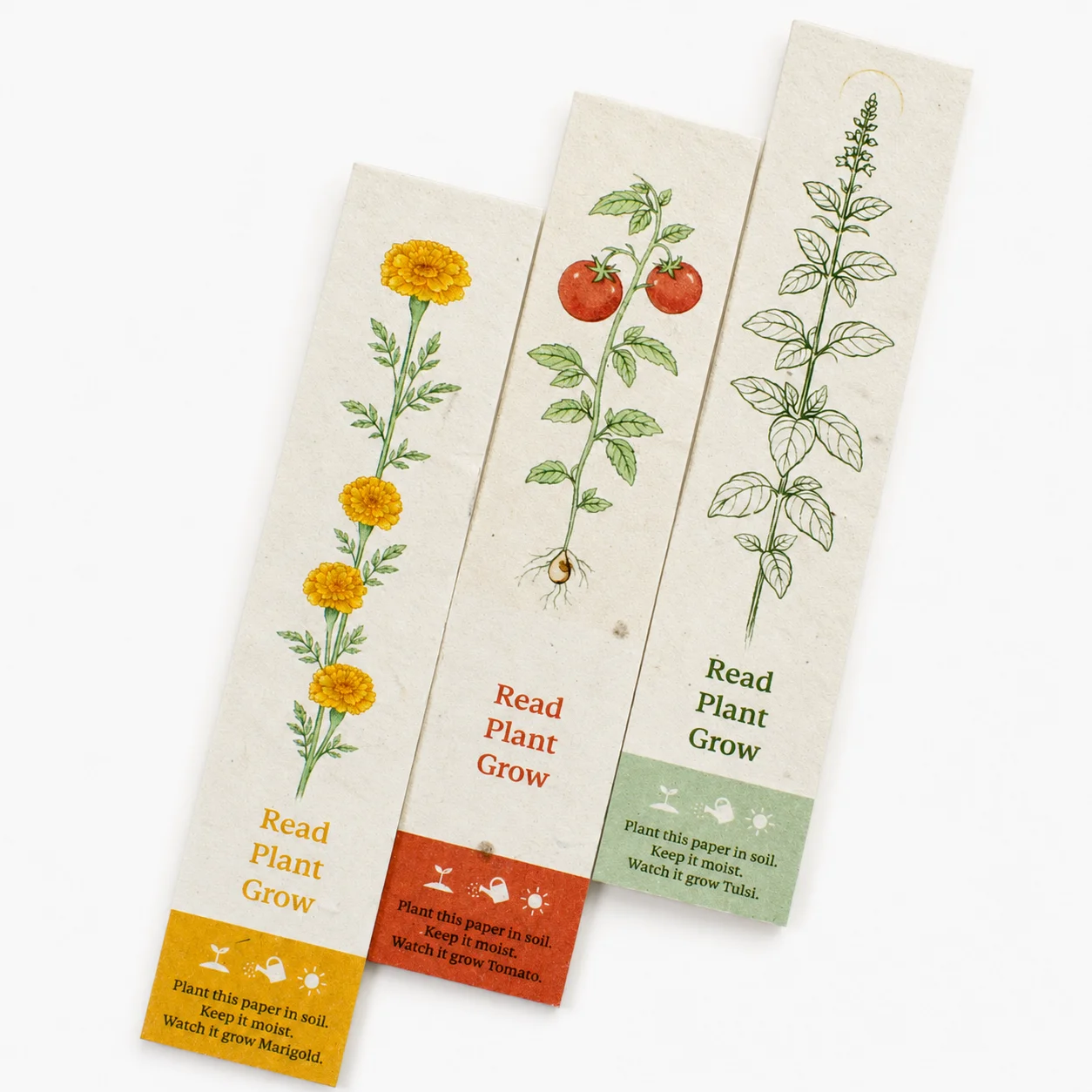
A 2" x 7" seed-paper bookmark for reading kits, launches and thank-you gifts.
View in Products →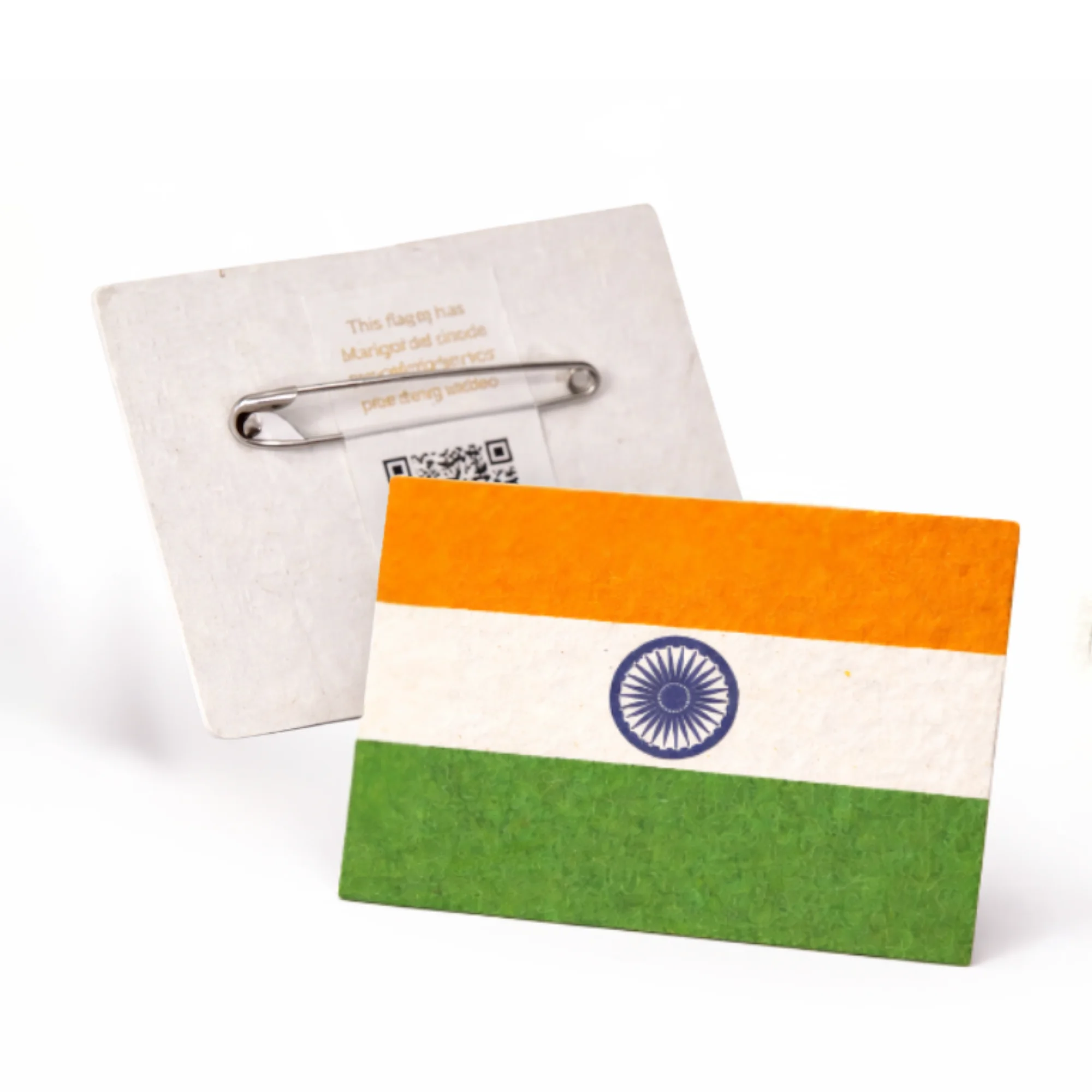
A printed seed-paper badge with a separate back clip for events and campaigns.
View in Products →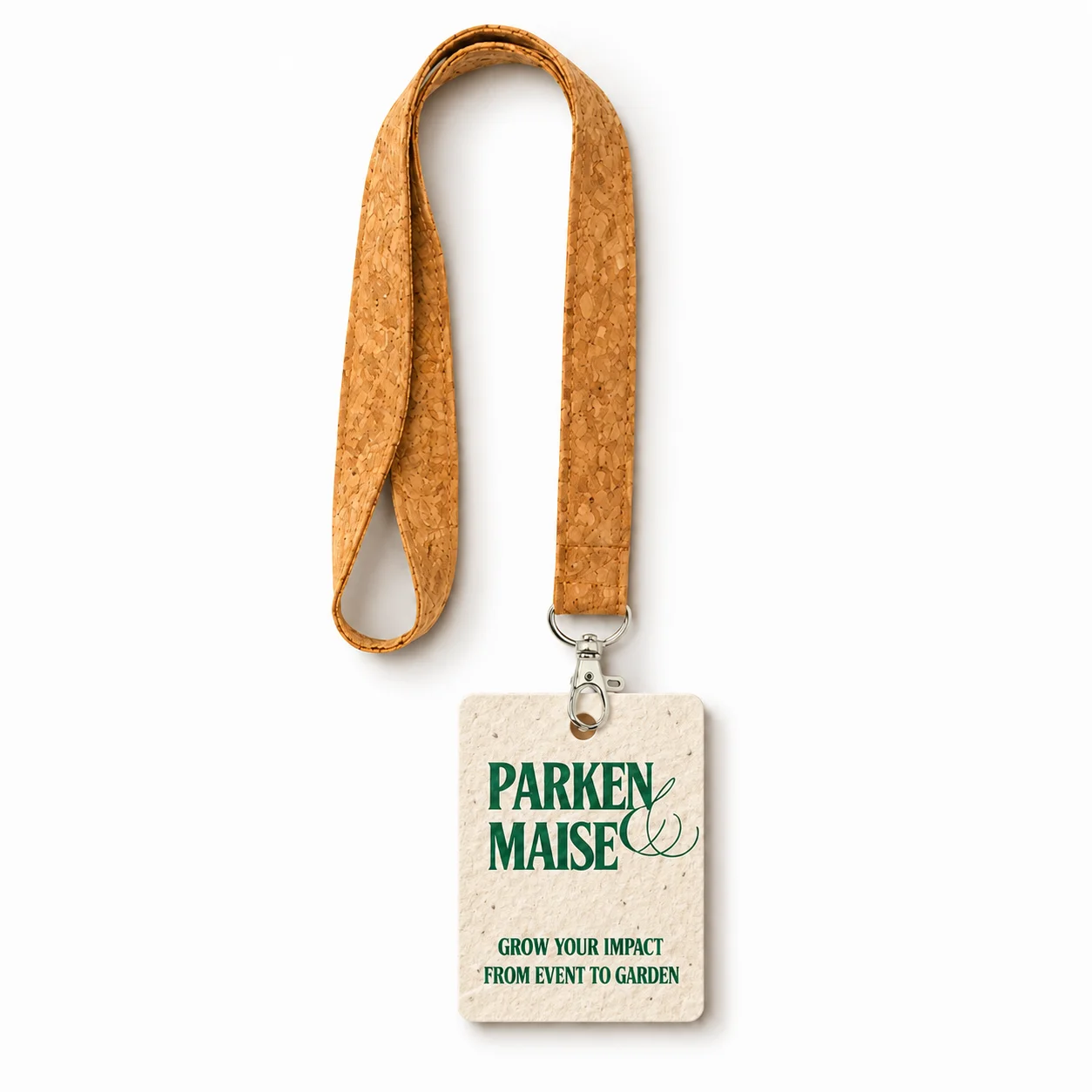
The printed card can be planted after use; the cork strap and metal clip stay out of soil.
View in Products →Plan the order
Tell us the intended format, use, seed preference, size, quantity, artwork, delivery city and required date. We will recommend a current format, an adaptation or a development route.
The final specification depends on the chosen material, artwork, finishing, packing and approved construction.
Useful answers
Plantable paper is flexible, but the right answer still depends on what it needs to carry, how it will be printed and how the recipient will plant it.
Plantable paper is handmade paper with seeds embedded during papermaking. bioQ makes its seed paper with waste cotton and other waste paper, then prints it for use as cards, tags, inserts and other paper formats.
Marigold, tulsi and tomato. These are bioQ’s three seed choices. Final availability is confirmed for the selected format and order.
Yes, within the material’s limits. bioQ uses water-based ink, a specialised low-pressure digital process and slower handling. Fine text, heavy ink coverage and exact colour matching should be assessed through an artwork proof.
Lightweight bags, small cartons, sleeves, wraps and inserts can be assessed. Load, size, folds, closures, adhesives, liners, product contact and transport use must be checked before a new format is offered.
Separate the seed-bearing paper from other parts, prepare it as instructed, place it in suitable moist soil, water gently and provide suitable light and temperature. Exact depth, soaking or tearing instructions depend on the seed and product.
Share the intended use, size, quantity, artwork and any finishing or packaging needs. A new format needs a construction check before it is offered.
No growth guarantee should be made. Seed condition, storage, soil, water, temperature, light, climate and recipient care affect the result.
Bring the idea
Start with the intended use, quantity, artwork and date. bioQ will recommend a proven format, an adaptation or a practical development route.
Discuss the project → WhatsApp