

Is it appropriate?
The gift should make sense for the recipient, setting and occasion.

A practical guide to choosing eco gifts without overclaiming.
bioQ helps companies choose corporate gifts with a clear material story, a practical reason to be used and language people can repeat with confidence. We do not label every product "100% sustainable". We explain what each relevant component is made from, why it suits the brief and where its limits are.
No single material makes a gift sustainable. A better choice fits the recipient, is useful enough to keep, uses materials that can be described accurately and has a realistic next step after use.
The right choice changes with the audience, quantity, budget, branding method and occasion. A seed-paper card can be meaningful for a participation campaign, while a durable cork desk gift may be more useful for an everyday employee programme. The material should serve the brief, not become a claim added after the product is chosen.
The gift should make sense for the recipient, setting and occasion.
Useful, displayable or participatory gifts have a life beyond the handover moment.
Material and construction claims should be supported by the product specification or supplier information.
Printing, coatings, adhesives and extra packaging can change the material and end-of-use story.
Reuse, planting, recycling or disposal guidance should be practical for the recipient, not theoretical.
A gift has a life before and after it is opened. Our role is to connect the brief, the material, the branding and the recipient experience so that the final story remains useful and credible.
We start with the audience, occasion, quantity, budget, timeline and the message the company wants the gift to carry.
We identify the components with a meaningful material story and check what can be supported for the exact product being offered.
We consider construction, durability, packaging and the small details that may affect reuse, planting or recycling.
We recommend branding that keeps the product attractive and does not hide or contradict the material story.
We explain what the recipient can do with the gift and what can realistically happen when its useful life ends.
Method note: This is a decision framework, not a certification. Final claims depend on the exact product, component specifications and documentation available for the project.
The best material depends on what the gift needs to do. Plantable paper creates participation, cork adds reusable natural texture, recycled paper works well for stationery and packaging, preserved botanicals suit premium display gifts, and grow kits turn the message into an activity.
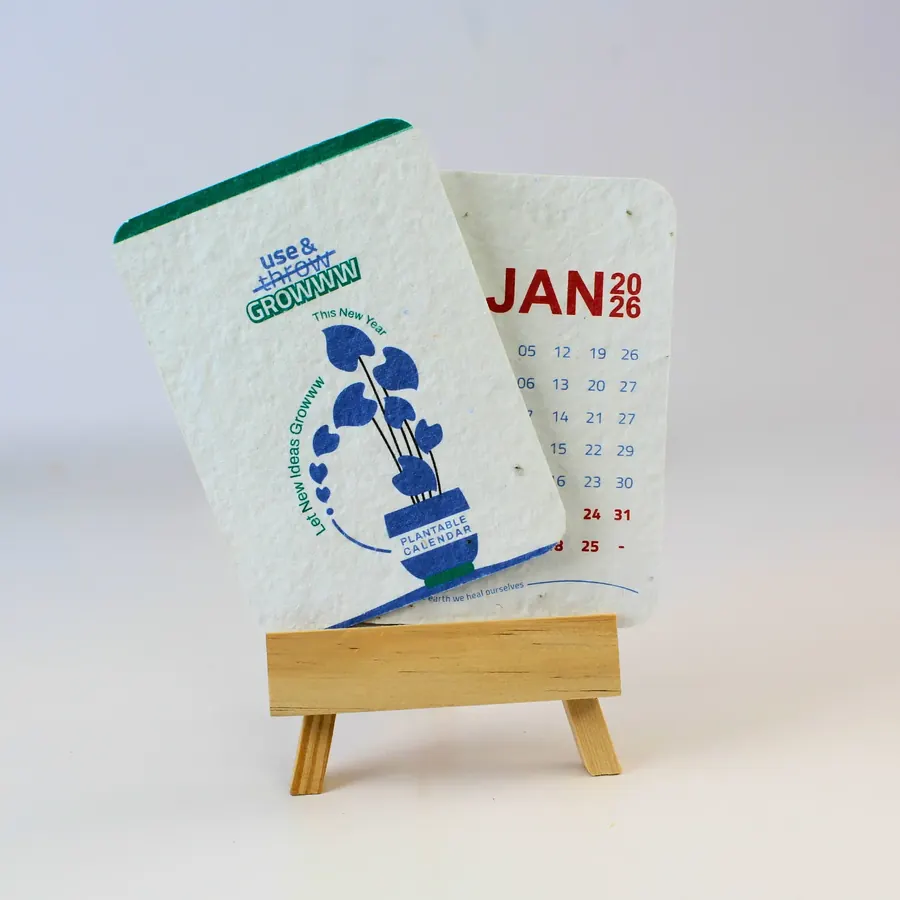
Seed paper can turn a card, tag, calendar page or campaign insert into a simple planting activity after its first use. It is strongest when the seed-bearing component is easy to identify and the recipient receives realistic planting instructions.
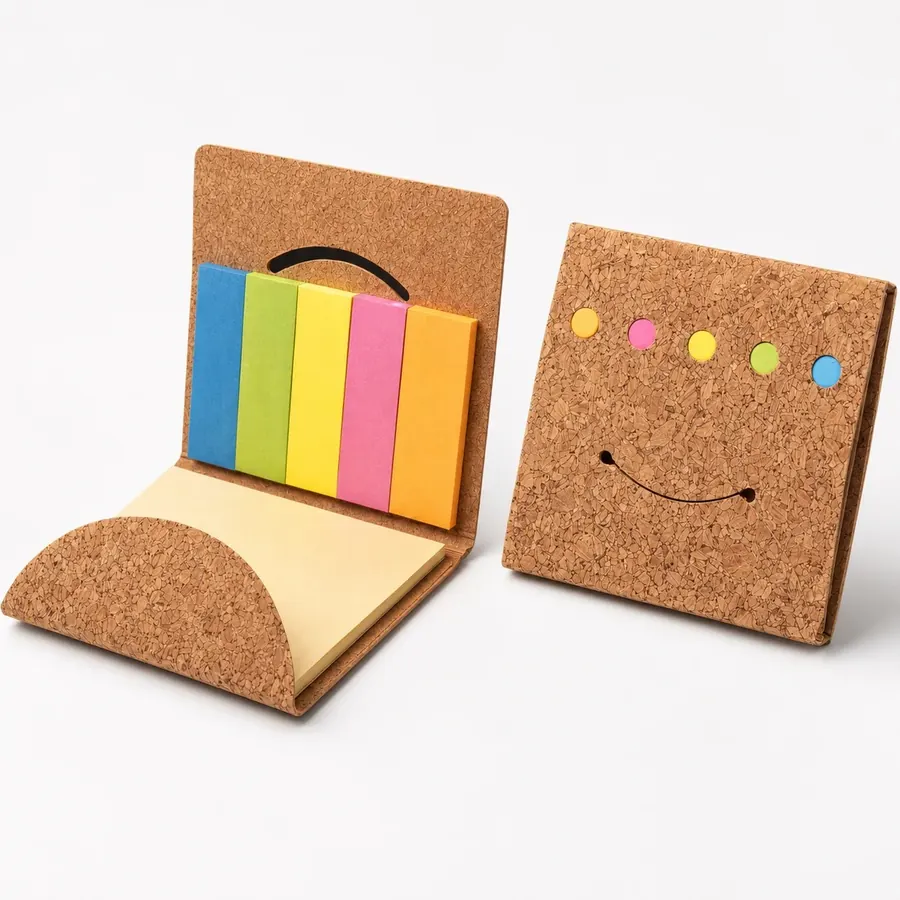
Cork brings a warm natural texture to desk and lifestyle gifts. It works well when the material is part of the design rather than a hidden insert, particularly in items intended for repeated use.
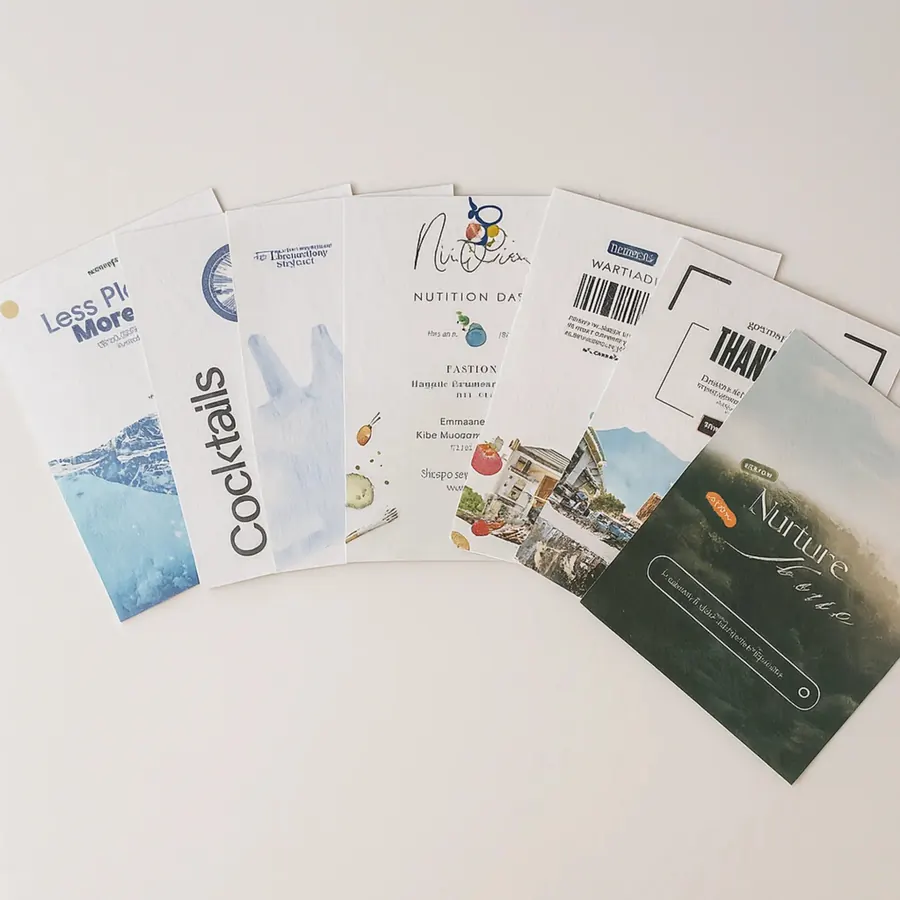
Recycled paper can support a clear and familiar material story in notebooks, cards, sleeves, boxes and inserts. The useful claim is about the verified paper component, not the impact of the whole gift.

Preserved botanical gifts are display-led rather than living plants. They can create a calm, premium presence on a desk, wall or reception surface without a routine watering schedule.
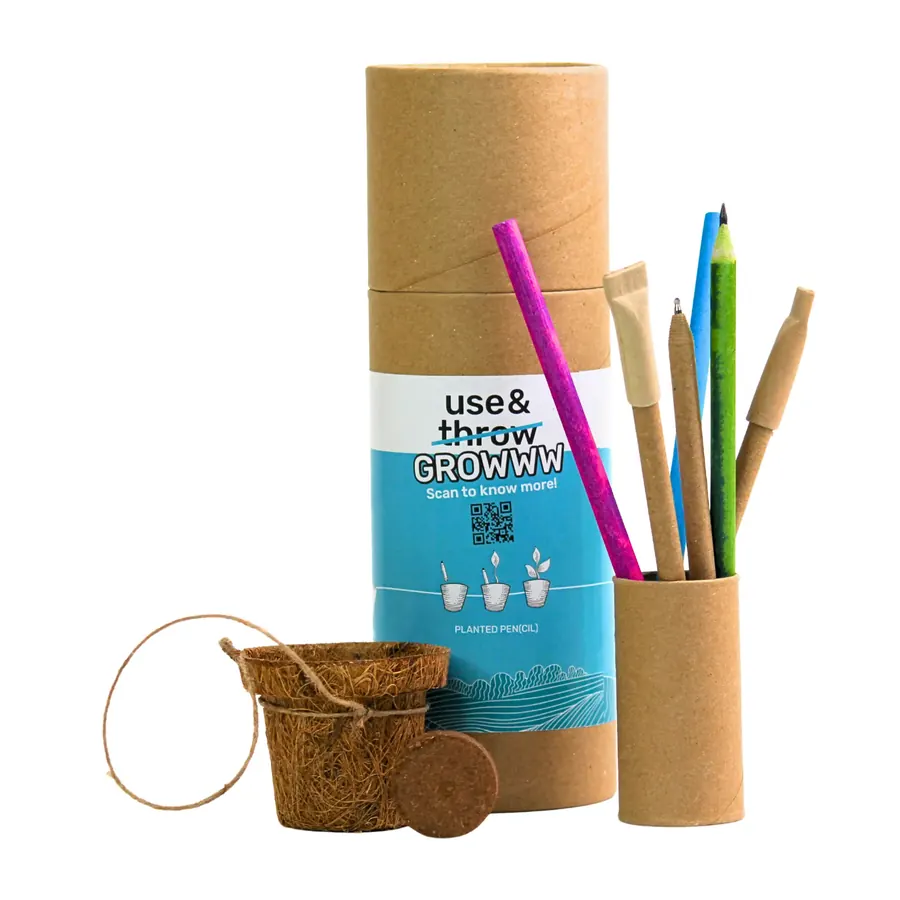
A grow kit gives the recipient a simple activity after the gift is received. It works especially well when the campaign is about learning, wellbeing, family participation or a shared team moment.
Newer materials can be useful, but their value depends on the exact formulation, verified content and realistic disposal route. "Bio-based" does not automatically mean biodegradable, and "recycled" does not make a whole mixed-material product recyclable.
This can create a strong craft and material-recovery story when the fibre and sourcing are verified. Say that the named component uses water hyacinth fibre. Do not claim that the gift restores lakes or solves an invasive-species problem without project-level evidence.
This can be a practical choice when a durable product still requires a polymer component. Identify the exact component and recycled content where documentation allows. Do not describe the complete product as plastic-free.
The environmental story depends on the resin, bio-based content, production route and disposal conditions. Use the exact supplier terminology. Do not say that a biopolymer will biodegrade anywhere or is compostable without the relevant certification and conditions.
These are an interesting area for product development, but the composition and performance vary widely. Treat them as an exploration until the exact material, supplier documentation, use case and end-of-use route are known.
Not every brief needs an emerging material. A familiar, verified material used well is often easier for the buyer and recipient to understand.
The clearest gifts connect one real material detail with something the recipient can do next: plant it, use it again or keep it on display. That is more useful than a sweeping environmental promise.
Seed-bearing stationery or a grow kit gives the recipient a clear next step. Include planting instructions and identify what is meant to be planted.
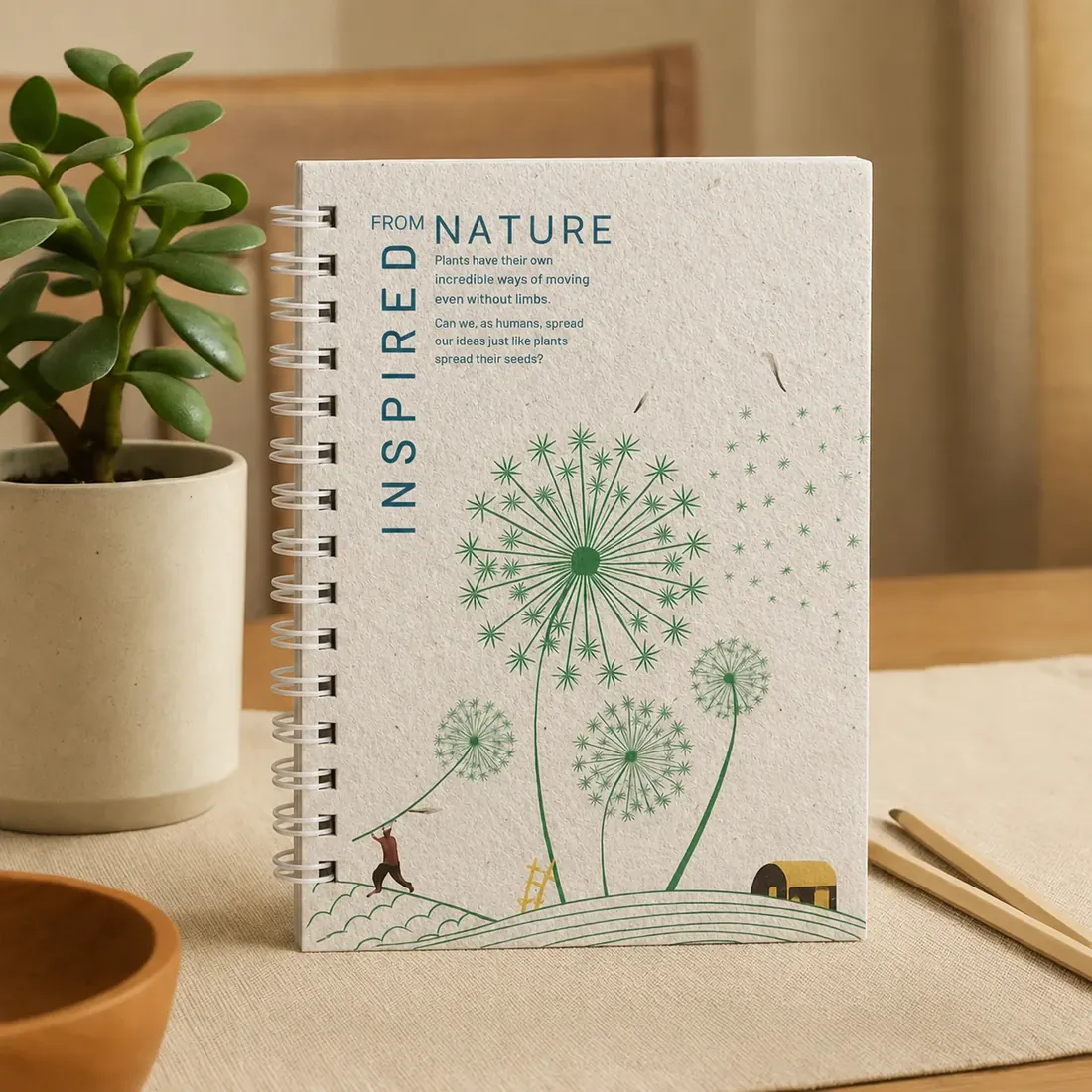
A notebook, coaster or desk piece earns its place through everyday use. Choose a material that can be seen and felt, rather than hidden inside the gift.
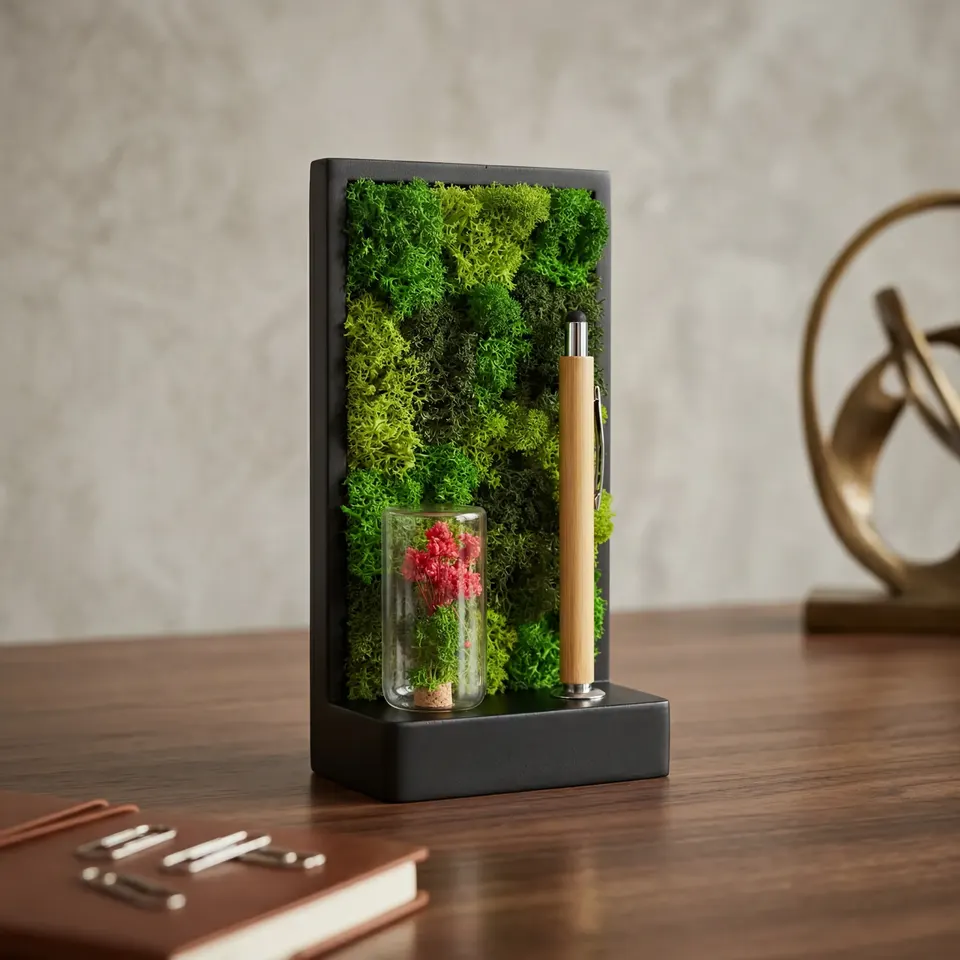
Preserved botanical frames bring real natural texture to a workspace and need no routine watering. They are display pieces, not live plants.
Start with the way you want the gift to be planted, used or kept. Then compare products that suit the occasion and budget.
It connects a verified material choice to the way recipients will actually use, keep, display or plant the gift, then explains the limits in plain language.
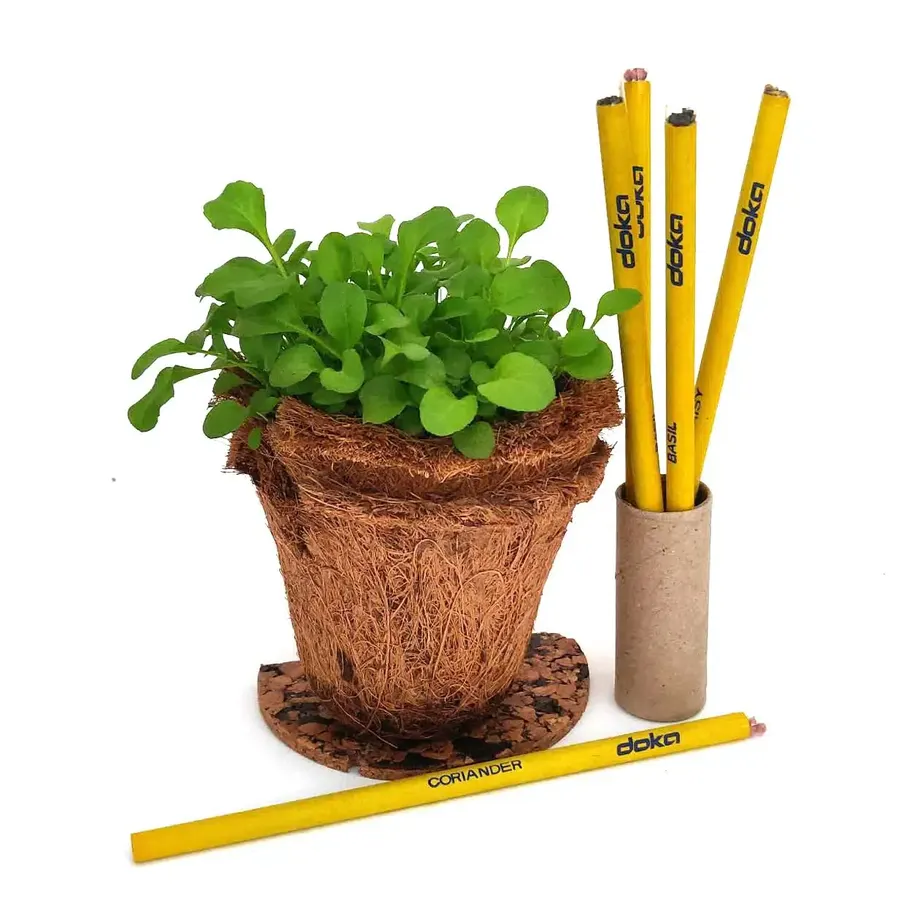
Plantable pencils and seed-paper stationery, branded for an international construction-industry client.
See bioQ gifting case studies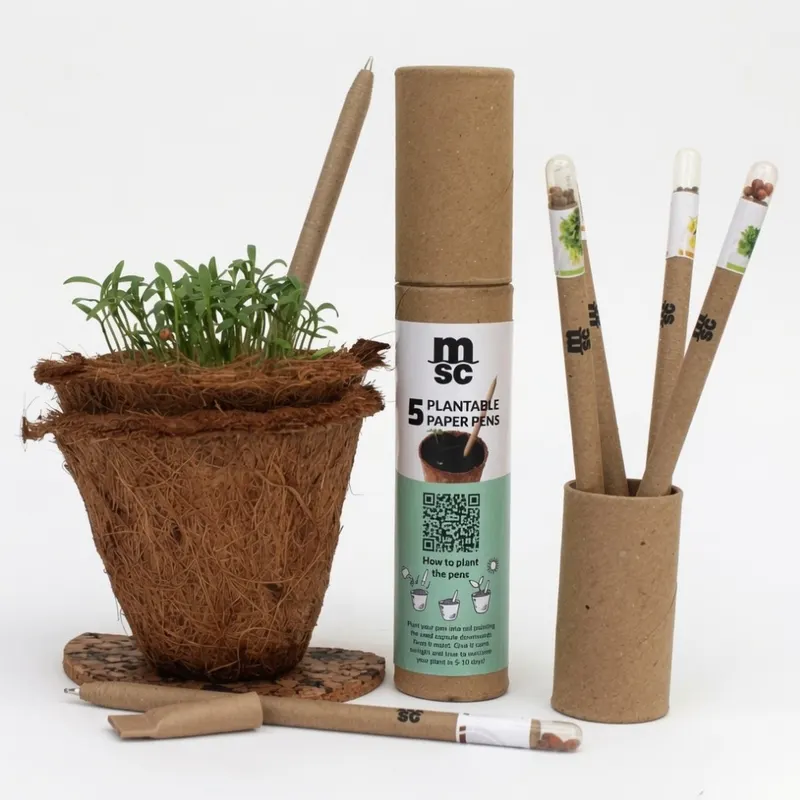
Plantable paper pens in a paper tube with QR planting instructions for a global shipping line.
See bioQ gifting case studies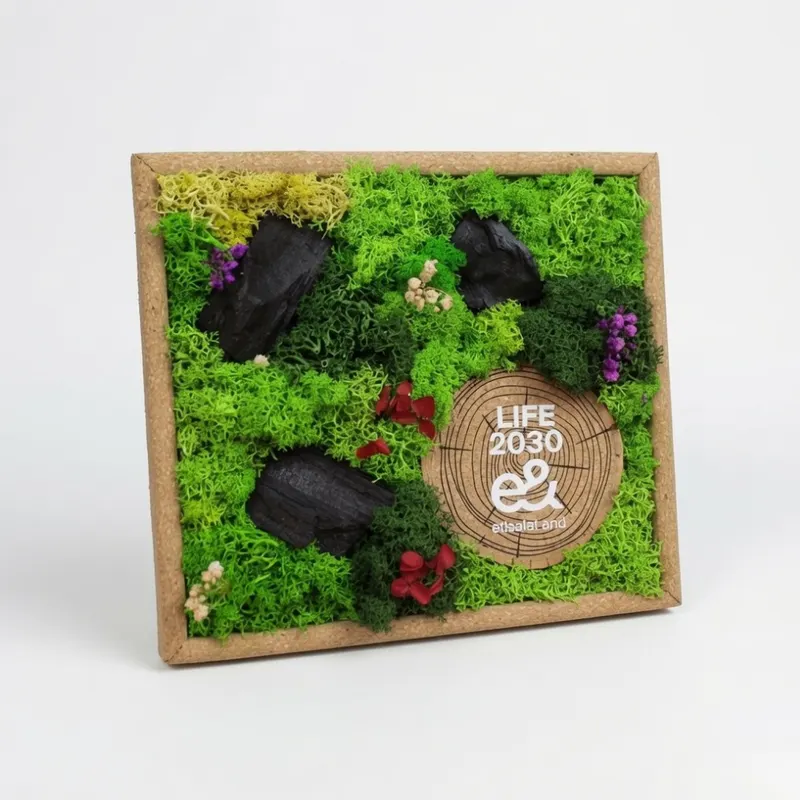
Preserved moss and botanical frame carrying the LIFE 2030 mark; needs no watering.
See bioQ gifting case studiesThe clearest proof comes from real projects. Explore how bioQ has used plantable components, reusable desk products and preserved botanical gifts in corporate briefs.
We define the exact component being described, review the available specification, check how branding changes the product and make sure the end-of-use wording reflects real conditions.
Which exact component are we talking about?
What specification, supplier information or certification supports the statement?
Do coatings, adhesives, inks, mixed materials or packaging change the claim?
What can the recipient realistically do with the product where they live?
Does the sentence describe a fact, or does it overextend that fact to the whole product or campaign?
Reference note: These material notes are guidance, not third-party certification for any bioQ product. Final public wording should follow the exact product specification.
Use these guides to compare eco corporate gifts, understand plantable and preserved botanical formats, tighten environmental language and plan current seasonal shortlists.
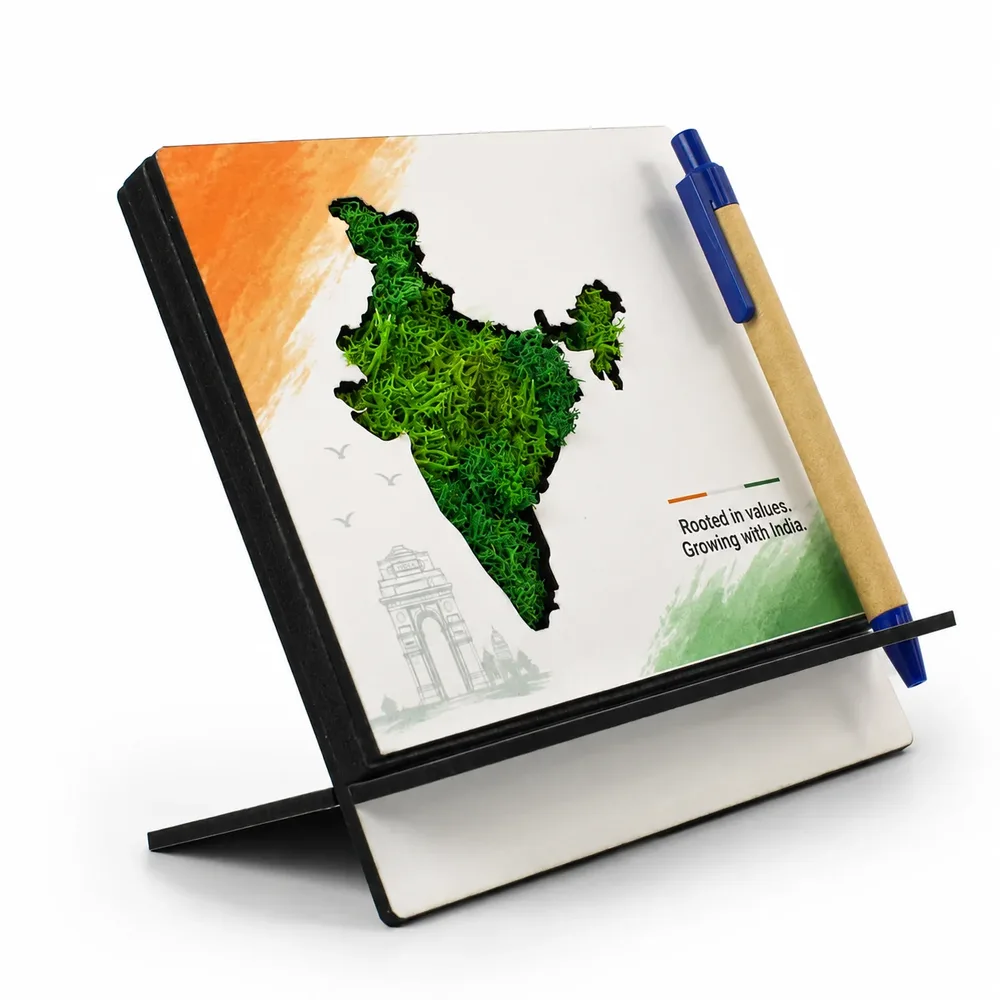
Compare current Independence Day products by buyer job, price signal, order rule and material story before starting a corporate brief.
Open article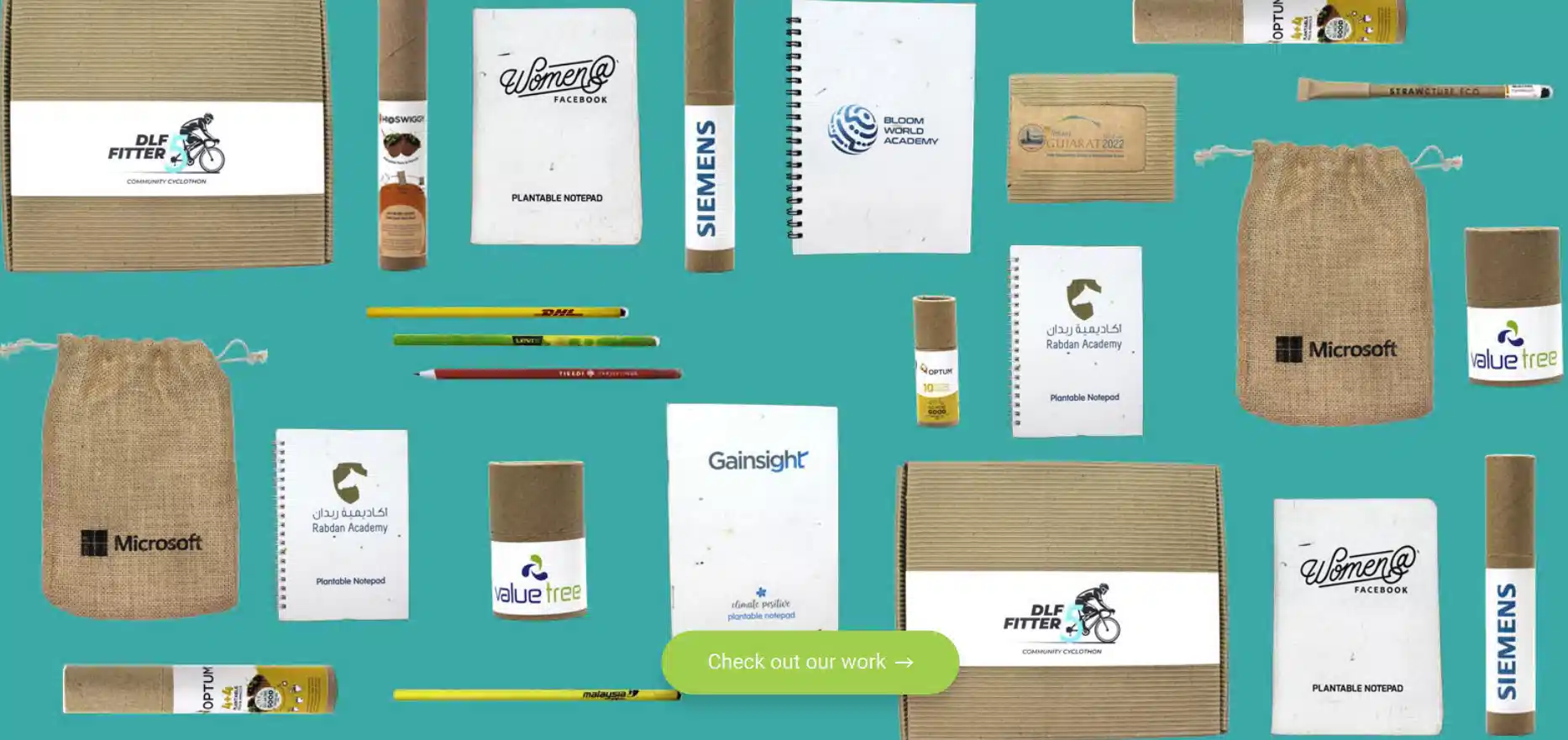
Use this practical checklist to compare eco gifts by audience, use, materials, branding, packaging and the realistic next step after use.
Open guide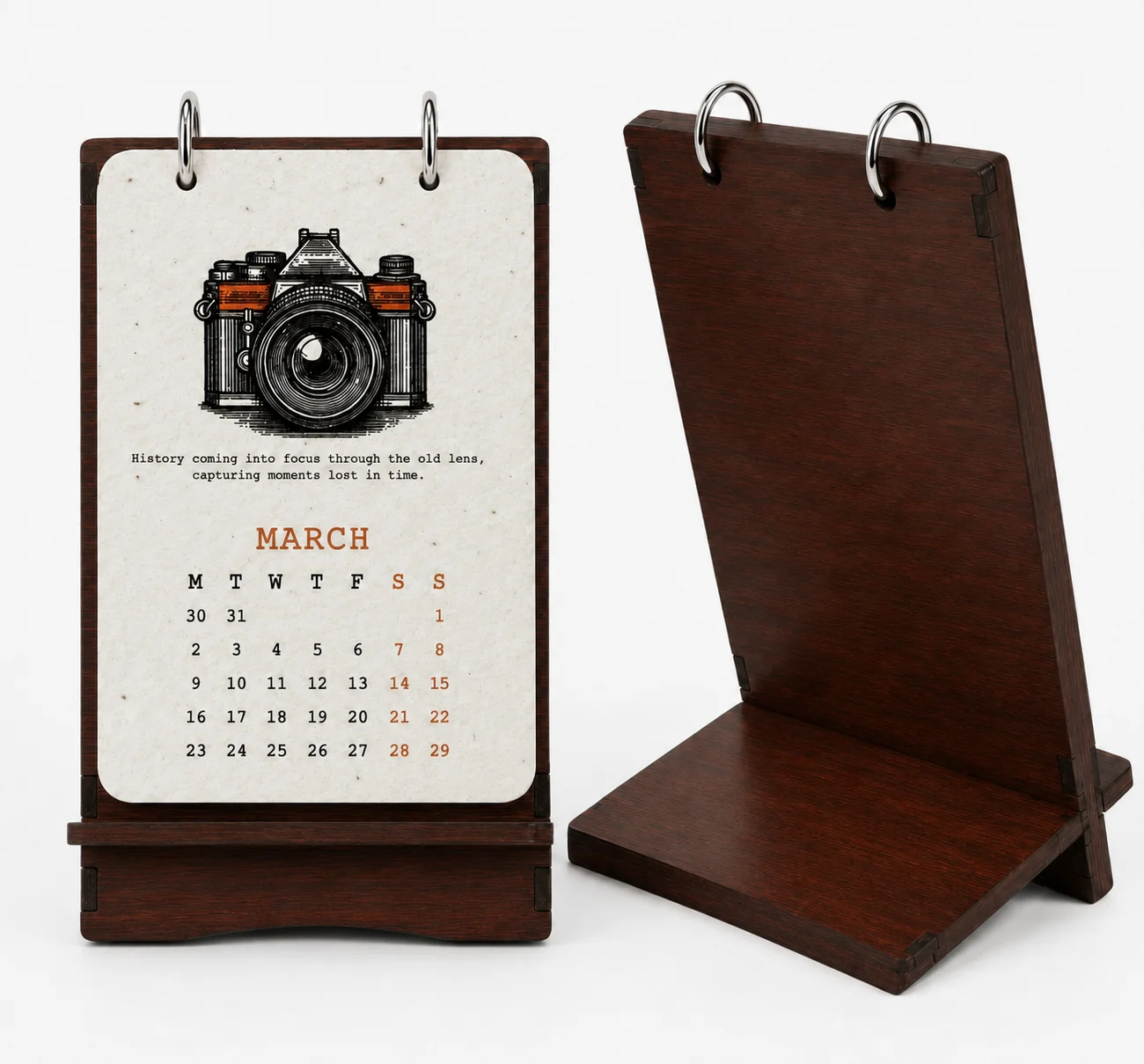
Learn which component is actually plantable, why printing affects seed paper and what buyers should check before approving artwork and production.
Open guide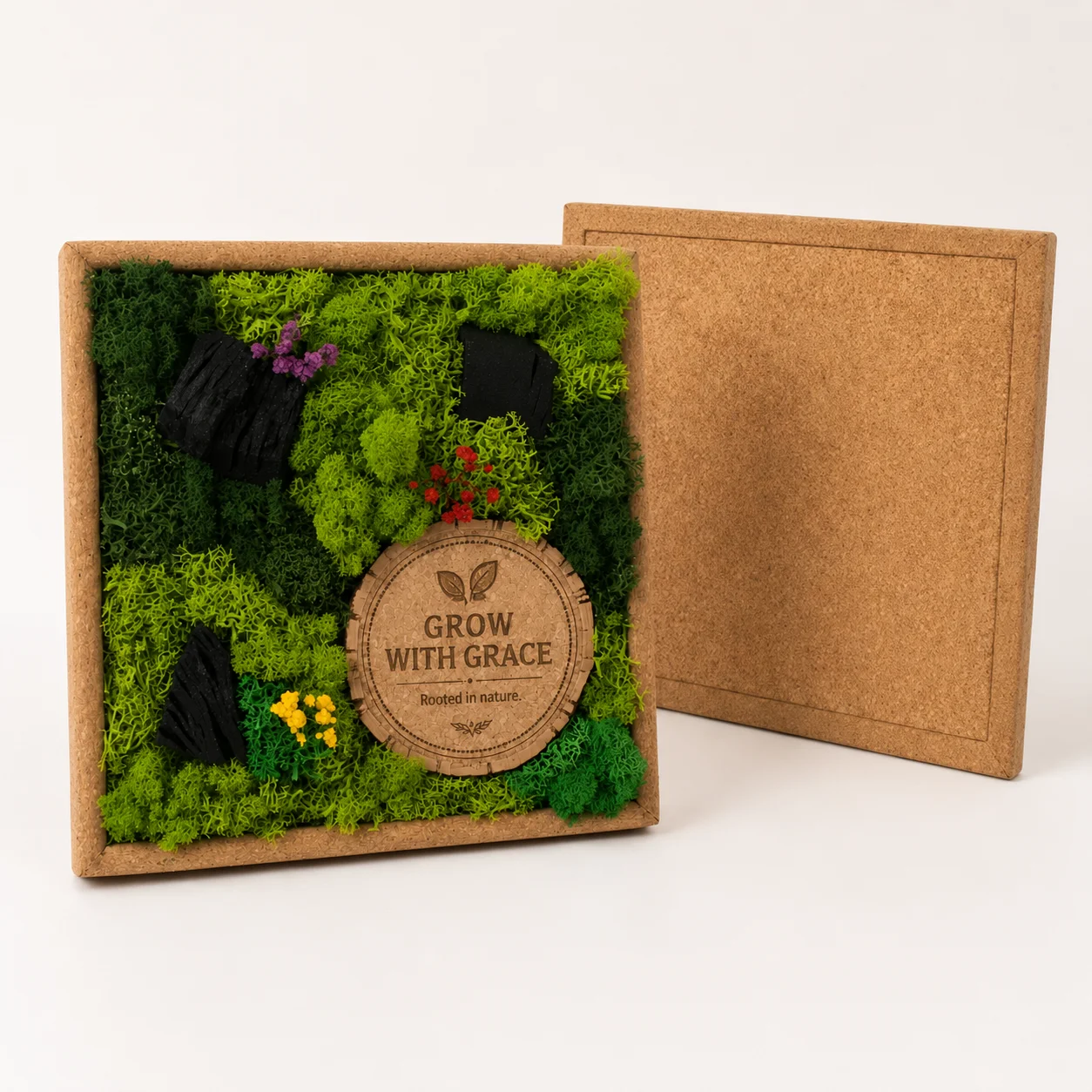
Understand what preserved botanical gifts are, how bioQ describes them safely and when to choose open versus enclosed formats.
Open guide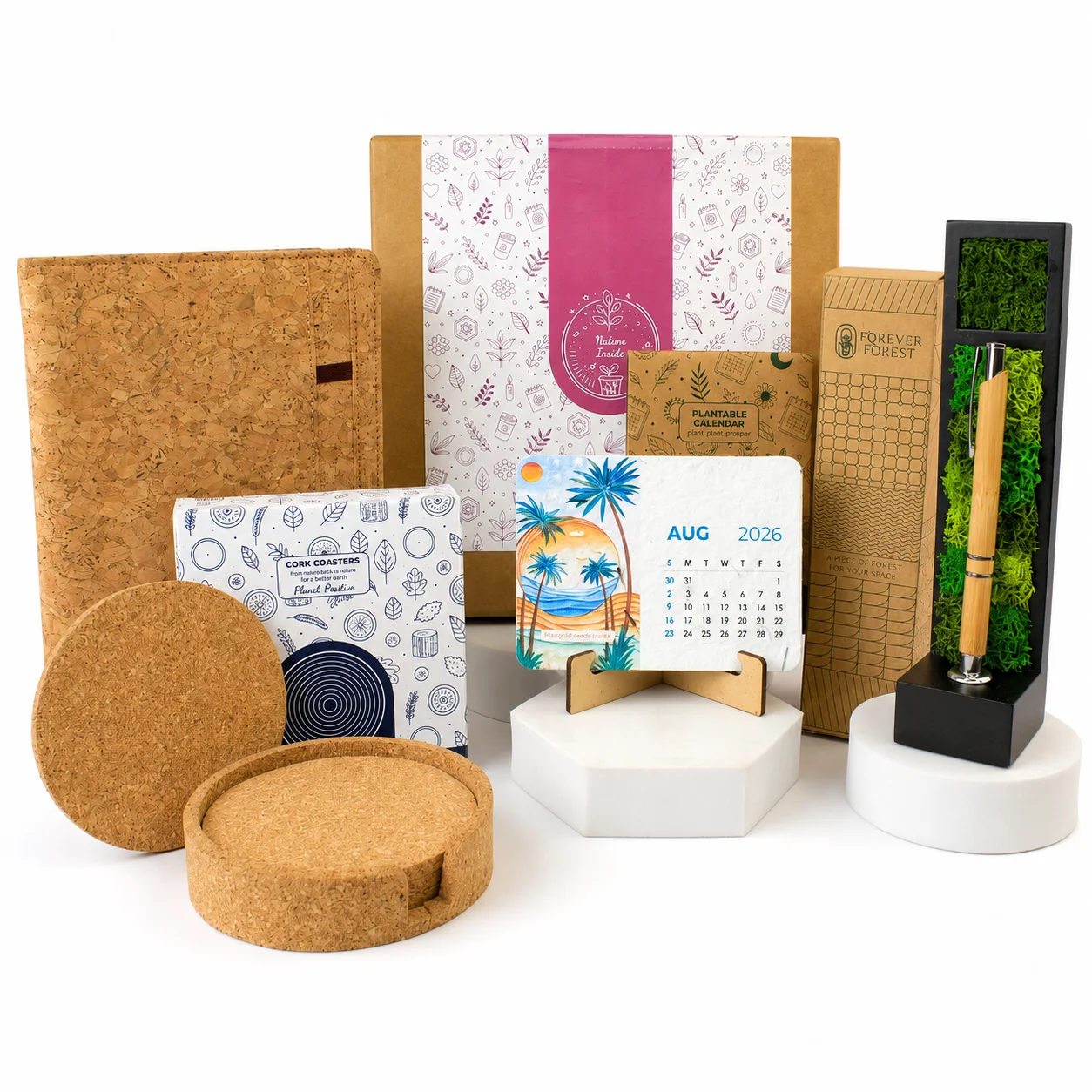
Sort out the most confused environmental words so your campaign copy says only what the product and packaging can actually support.
Open guideVisible answers help buyers and answer engines understand the boundaries without turning the page into an ESG report.
No gift is impact-free, and not every product or component has the same environmental strengths. bioQ compares options for the brief and describes the strongest verified attributes of the selected gift without presenting them as proof about the whole product.
No. Plantable describes a component that contains seeds and is intended for planting. Recycled refers to material made with recovered input. Bio-based describes where some or all of a material comes from. Biodegradable describes breakdown under particular conditions. One term should not be substituted for another.
No. Germination depends on the seed, storage, climate, soil, water, light and recipient care. bioQ can provide planting instructions, but growth should not be guaranteed.
Yes. Once the product and branding are final, bioQ can suggest a concise material description and recipient instruction based on the approved specification.
Yes. Lamination, coatings, adhesives, plastic additions and some print processes can affect planting, reuse or recycling. Branding should be considered as part of the product, not added after the claim is written.
Not always. Cost depends on the material, product design, quantity, branding, packaging and fulfilment. A clear brief helps bioQ balance the material story with the budget and intended recipient experience.
Share the audience, occasion, quantity, budget, delivery timeline, branding needs and the message you want recipients to remember. bioQ can then recommend a shortlist with the relevant material facts and claim boundaries.
Tell us who the gift is for, the occasion, quantity, budget, timeline and branding requirement. We will suggest a considered shortlist and explain the material story, practical use and communication limits of each option.
 WhatsApp