

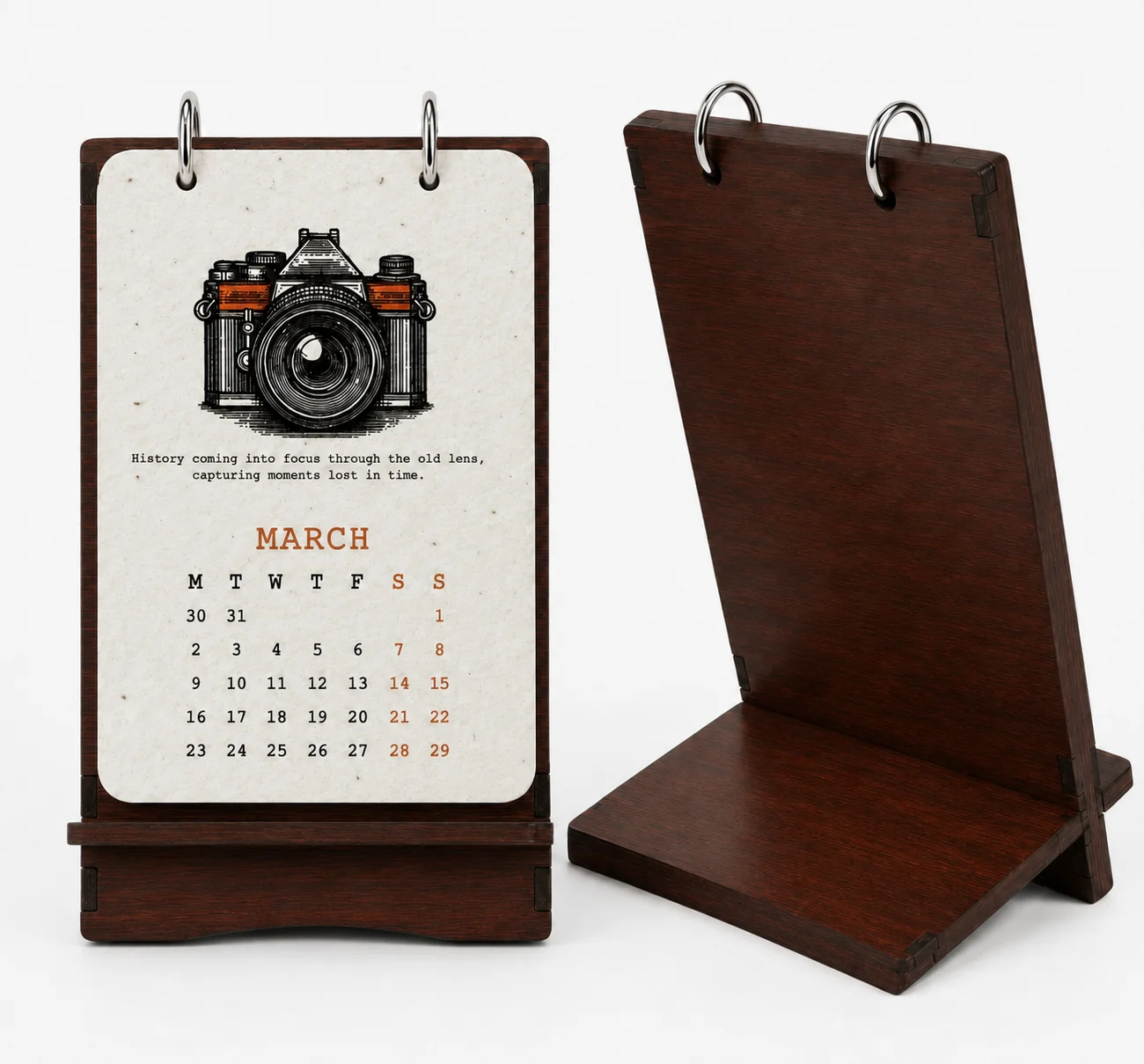
Plantable gifts can turn a corporate message into a small action. Their value depends on knowing which part contains seeds, how that part was printed and what the recipient needs to do next.
What are plantable gifts?
A plantable gift contains a seed-bearing component or provides the basic components for a growing activity. The seed-bearing part may be a sheet of seed paper, a paper cover, a seed capsule attached to a pen or pencil, or a separate packet used with a pot and growing medium.
The entire gift is not necessarily plantable. A calendar may contain plantable monthly cards but use a separate wooden or MDF stand. A diary may have a seed-paper component but ordinary inner pages, binding and cover materials. A grow kit may include a pot, growing medium, seeds and packaging that need different end-of-use instructions.
The most honest description names the exact component that can be planted.
What kinds of plantable gifts are available?
Plantable gifting covers several different product types. They should not all be treated as the same thing.
Seed-paper products
Seeds are embedded within handmade or specially produced paper. After the paper has completed its first use, the recipient can soak or plant it according to the supplied instructions.
Examples include:
- Message cards and campaign inserts.
- Calendars and monthly cards.
- Bookmarks and badges.
- Tags and event handouts.
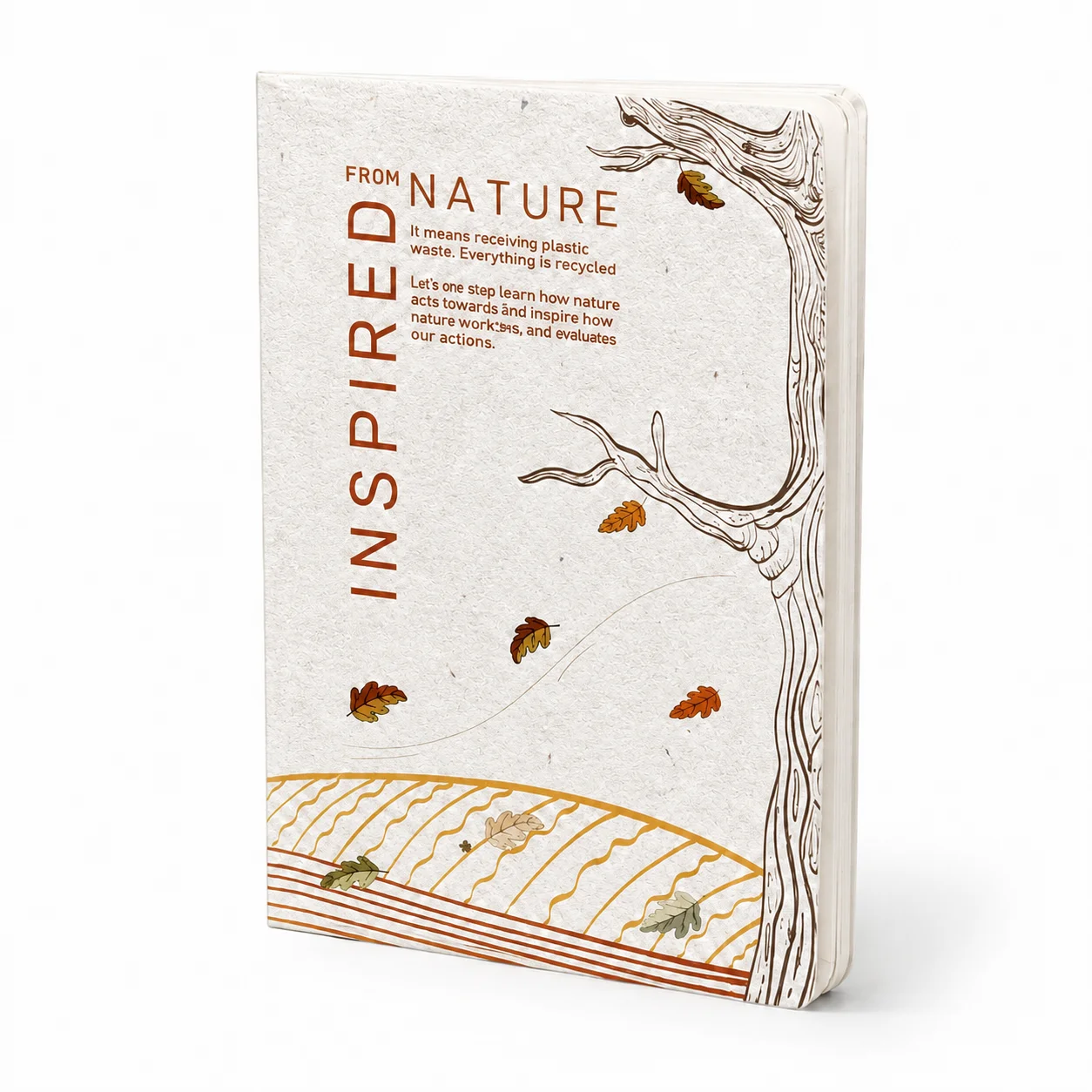
- Selected notebook, diary or colouring-book components.
- Custom printed seed-paper sheets.
Plantable stationery
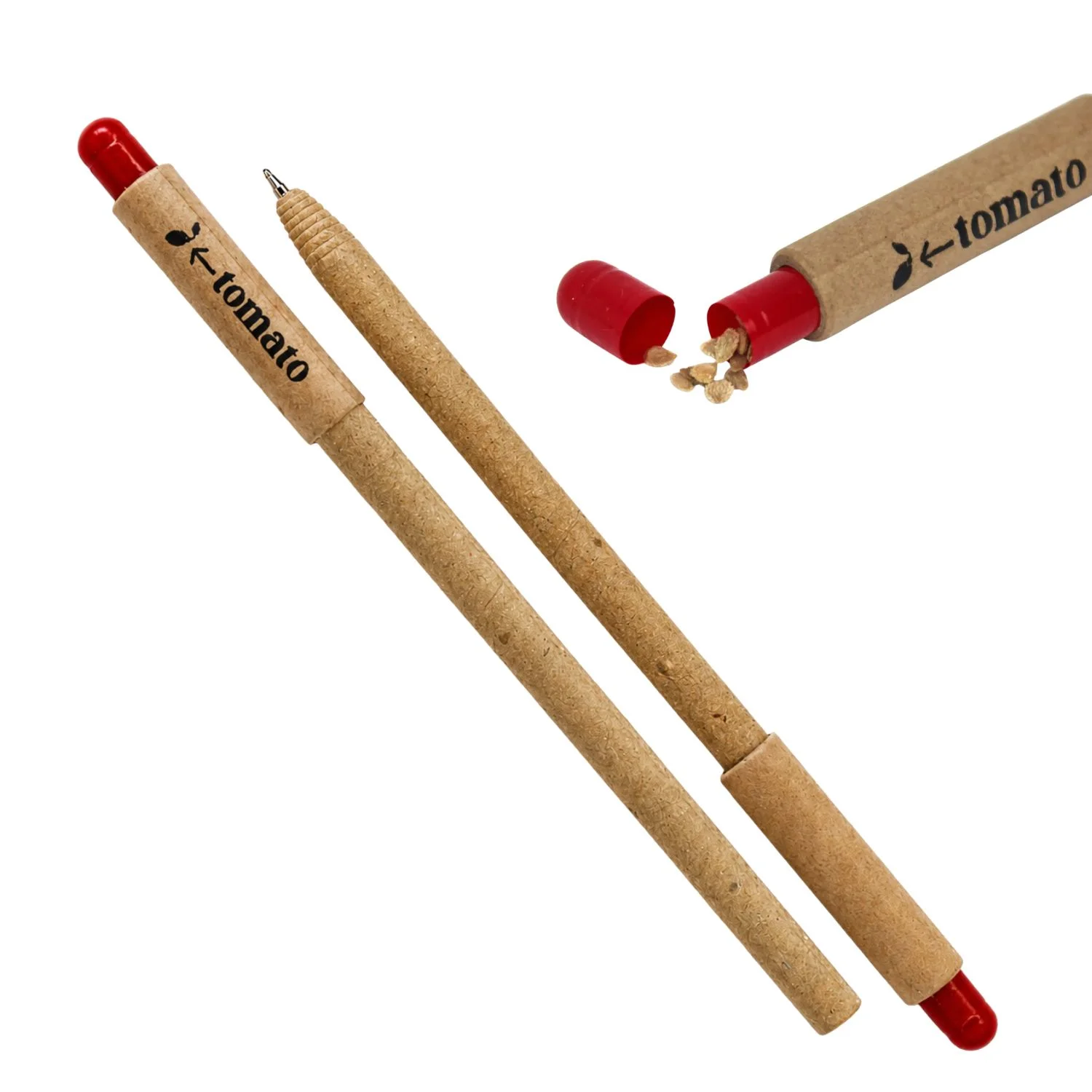
The seed is usually placed in a capsule attached to a writing tool rather than throughout the product.
Examples include:
- Seed pencils.
- Paper-bodied seed pens.
- Plantable pen-and-pencil sets.
- Colour pencils or crayons supplied with seed capsules.
The writing tool, coating, clip and capsule may use different materials. Tell the recipient which part should be planted and how to separate it.
Grow kits
A grow kit is an activity rather than a seed-paper product. It may contain a pot, growing medium such as cocopeat or coir, seeds or a seed capsule, and simple instructions.
Grow kits work particularly well for workshops, employee engagement, family activities and campaigns where participation is more important than a printed message.
Hybrid gift sets
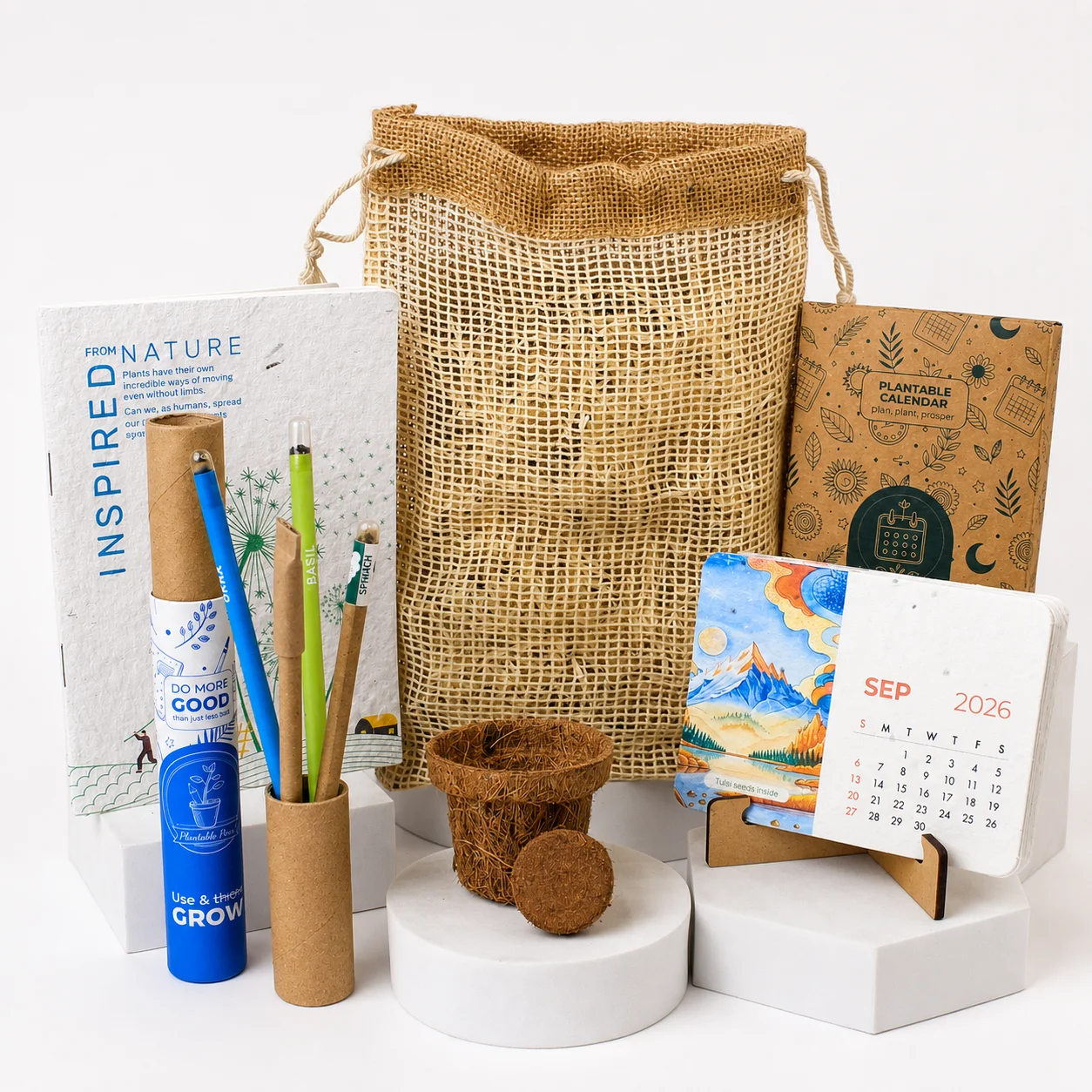
Some gifts combine plantable stationery with cork desk items, calendars, preserved botanical keepsakes or a small grow activity. These can create a richer recipient experience, but each component still needs its own material and care explanation.
Why does the printing method matter for seed paper?
Seed paper is not ordinary paper. It contains seeds that can be physically damaged or exposed to printing and finishing conditions that affect their ability to germinate.
The risk is not simply whether an image looks good. It is whether the printing process preserves the seed-bearing paper’s intended second use.
Pressure can crush embedded seeds
Some commercial digital printing routes apply pressure as the sheet passes through the machine. A seed that is pressed or crushed may no longer be viable, even when the final sheet still looks visually acceptable.
The risk varies with the machine, paper thickness, seed variety and production settings. It is therefore more accurate to ask how the specific seed paper is printed than to assume every digital process is suitable.
Ink and finishing chemistry can affect performance
Seed paper needs to absorb water after use. Heavy coatings, unsuitable ink systems or powder-based finishing associated with some commercial digital printing processes can interfere with that behaviour or expose the seeds to chemistry not selected for a planting application.
Lamination creates a more obvious problem: a laminated seed-bearing sheet may not absorb water properly and introduces a layer that should not be placed in soil. Decorative finishing should never make the planting instruction impractical.
Heat and handling should also be considered
Some production and finishing methods expose paper to heat, repeated passes or rough handling. A supplier should understand the complete print route, not only the ink name.
How does bioQ print seed paper?
bioQ uses a specialised low-pressure digital process combined with a proprietary, slower production method developed for seed paper. It uses water-soluble ink and gentler handling to reduce unnecessary pressure on the embedded seeds and avoid heavy finishing on the seed-bearing area.
This approach is based on bioQ’s internal side-by-side germination comparisons and customer planting feedback. In those comparisons, seed paper printed through the specialised process produced better germination outcomes than the commercial digital printing route tested by bioQ.
That is not a guarantee that every seed will grow. It is a production choice intended to preserve seed viability as far as reasonably possible before the gift reaches the recipient.
bioQ does not publish a universal germination percentage because results continue to depend on the seed variety, age and storage of the paper, climate, soil, moisture, temperature, light and recipient care.
What should a buyer ask about seed-paper printing?
Before approving artwork or production, ask:
- What printing method will be used?
- Does the machine apply high pressure to the seed-bearing sheet?
- Is the ink suitable for this seed-paper process?
- Is the ink water-soluble or otherwise documented for the application?
- Is any powder finish, coating or lamination being applied?
- Is the entire sheet plantable, or only one named section?
- Has the supplier tested germination after printing?
- Will the final order include planting and storage instructions?
An attractive proof is not enough. Buyers should ask whether the printed production sample has also been checked for its intended planting use.
What else affects germination?
Printing is only one part of the story.
Seed variety
Different seeds have different germination requirements and suitability for local conditions. Seed varieties may also change by product, season and availability. The final gift should identify the seed where possible rather than use a generic “contains seeds” statement.
Seed freshness
Seeds lose viability over time. Iowa State University Extension and Outreach notes that older seed should be tested before planting and stored cool and dry because storage conditions affect germination performance.
Storage before distribution
Seed-bearing products should be kept cool, dry and protected from excess humidity before they are distributed. A corporate buyer should avoid ordering very early without agreeing on suitable storage and a realistic distribution date.
Planting conditions
Seeds need suitable moisture and temperature, and some require particular light or planting-depth conditions. The paper should not be treated as a self-sufficient plant. The recipient still needs to follow the instructions and maintain the growing medium.
Recipient care
Overwatering, underwatering, unsuitable soil, extreme heat, low light or disturbing the paper too early can all affect the result. This is why a plantable gift should invite participation without promising an outcome.
How should seed paper be stored before gifting?
Keep it in a cool, dry indoor place away from direct sunlight, excess heat and humidity. Do not allow the sheets to become damp before use, and avoid placing heavy objects on top of them.
For a large programme, agree on:
- Production date.
- Storage responsibility.
- Packing method.
- Dispatch schedule.
- Expected distribution window.
- Seed variety and product-specific guidance.
Storage instructions should come from the supplier for the exact seed paper and seeds used. There is no responsible universal shelf-life promise for every seed-paper product.
What planting instructions should the recipient receive?
Instructions must match the actual seed variety and product. At a minimum, they should explain:
- Which component should be planted.
- Whether it should be soaked, torn or planted whole.
- The suggested planting depth.
- Suitable soil or growing medium.
- Watering guidance.
- Light and temperature guidance where relevant.
- That germination is subject to natural conditions and care.
- How to separate and dispose of the remaining components.
A short gift-card sentence is helpful, but a QR code or linked guide can carry the product-specific detail. The essential instruction should not disappear if the link is unavailable.
Which plantable gift format suits which brief?
| Format | Works well for | Main buyer check |
|---|---|---|
| Seed-paper card or insert | Campaign messages, events and onboarding | Confirm paper, print method, seed and instructions. |
| Plantable calendar | Year-long desk visibility followed by planting | Identify which cards or pages are seed paper and how the stand is handled. |
| Plantable diary or notepad | Useful stationery with a seed-bearing element | Confirm the exact plantable component, binding and cover construction. |
| Seed pen or pencil | High-volume handouts and activity kits | Explain where the seed capsule is and separate it before planting. |
| Colouring or craft product | Family days, schools and employee-family engagement | Check child-appropriate instructions and all non-plantable parts. |
| Pot-based grow kit | Workshops, wellness and participation programmes | Confirm pot, medium, seed variety, packing and growing instructions. |
| Hybrid desk gift | Onboarding, appreciation and curated campaigns | Give component-level instructions rather than one claim for the entire set. |
bioQ’s current range includes plantable calendars, diaries, notepads, seed-paper colouring formats, seed pens and pencils, bookmarks, badges, printed seed-paper sheets, pot-based grow kits and curated plantable desk sets. Availability, seed varieties and exact construction should be confirmed for the final project.
Common misunderstandings about plantable gifts
“The whole gift can go into the soil”
Usually not. A gift may also contain binding wire, a stand, ordinary paper, a clip, a pot, packaging or other components. Plant only the identified seed-bearing part.
“Plantable means biodegradable”
Not automatically. Plantable describes an intended planting action for a seed-bearing component. It does not establish that every other material in the product will biodegrade.
“Every seed will grow”
No. Seeds are living biological material. Germination depends on viability and growing conditions, so responsible suppliers should provide instructions rather than guarantees.
“More seeds always means better results”
Not necessarily. Seed crowding, paper structure, seed damage and unsuitable conditions can all affect germination. Seed quality and process matter more than a visually high seed count.
“Any printer can print seed paper”
The artwork may print, but the production route may not protect the seeds. Ask about pressure, ink, finishing, lamination and post-print germination checks.
“A green-looking print is environmentally safer”
Colour and visual style do not establish material performance. The relevant questions are what ink and process were used, what component contains seeds and what evidence supports the planting instructions.
“The same seed is suitable everywhere”
Climate, planting season, local suitability and recipient setting vary. Confirm the seed variety and avoid invasive or unsuitable species for the intended geography.
What can a company safely say about a plantable gift?
Use component-specific, action-led language.
Clearer wording
This card is made with seed paper and is designed to be planted after use. Please follow the planting instructions provided. Germination depends on natural growing conditions and care.
For a calendar
The monthly cards contain seeds and can be planted after use. The stand and binding should be retained or separated as instructed.
For a grow kit
This kit is designed as a grow activity and includes the listed starter components. Results depend on seed viability, climate and care.
Avoid
- “Guaranteed to grow.”
- “The entire gift is biodegradable” when only one part is plantable.
- “Zero impact.”
- “100% sustainable.”
- A fixed carbon or oxygen benefit without product-specific evidence.
A buyer’s pre-order checklist
Confirm these points before approving a plantable gift:
- Which component contains seeds?
- What seed variety is being supplied?
- Is that seed suitable for the recipient geography and season?
- How is the seed paper or capsule produced and stored?
- What printing method, ink and finishing will be used?
- Is there any high-pressure, powder-finished, coated or laminated seed-bearing area?
- Has the printed sample been checked for germination?
- What is the production and distribution timeline?
- What instructions will the recipient receive?
- What wording can the company safely use in its campaign?
The real value of a plantable gift
A plantable gift is strongest when it creates a small, understandable action after the corporate message has been delivered.
It does not need an exaggerated environmental promise. Good seed paper, appropriate printing, clear instructions and honest expectations are the story.
Planning a plantable gifting campaign?
Tell bioQ your audience, quantity, occasion, budget, delivery date and the role you want planting to play. We can recommend suitable formats, clarify the seed-bearing component and prepare practical recipient instructions.
References and further reading
- Iowa State University Extension and Outreach: How to Store Seeds and Test Germination Rates
- ASCI Guidelines for Advertisements Making Environmental/Green Claims
Request a plantable gifting shortlist
Share the audience, quantity, occasion, budget, delivery date and branding requirement. bioQ can suggest a claim-safe direction and explain the real material story behind it.
